Introduction
Back in 1999, the cinematic landscape was bracing for a new wave of science fiction, and while many eyes were on a certain "Phantom Menace," it was The Matrix that truly blew minds and reshaped expectations. This wasn't just another sci-fi flick; it was an event, a phenomenon that left audiences questioning everything they thought they knew about reality. From its opening frames, it promised something utterly unprecedented, delivering a vision of the future that was both terrifying and exhilarating.
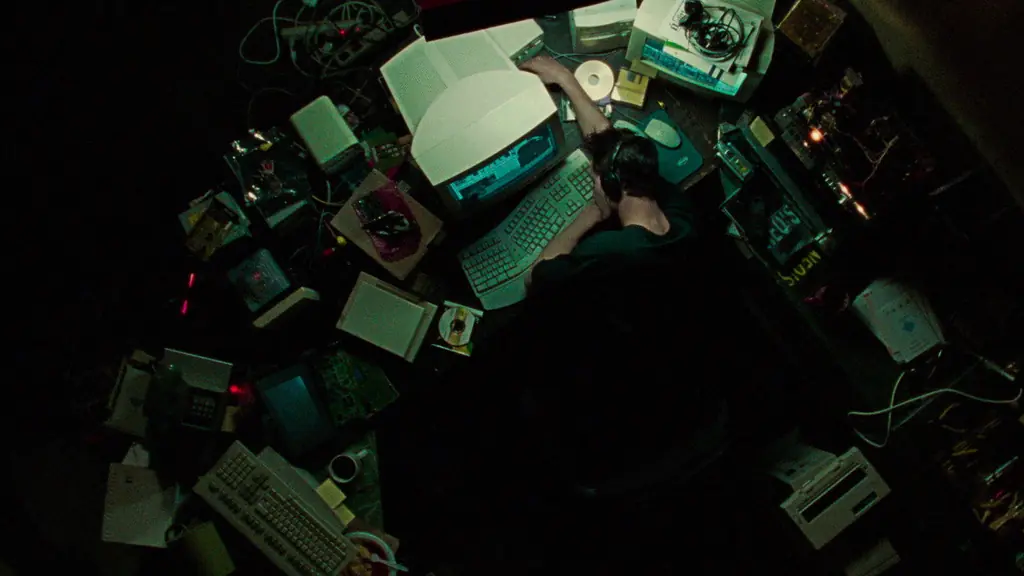
At its core, the story introduces us to Neo, a seemingly ordinary computer hacker who feels an undeniable itch that something in his world isn't quite right. His life takes an irreversible turn when he's confronted by the enigmatic Morpheus, who offers him a choice: a blue pill for blissful ignorance or a red pill to uncover the shocking truth. Taking the red pill plunges Neo into a reality far more complex and dangerous than he could ever imagine, revealing a world where humanity is enslaved and their perceived reality is nothing more than a sophisticated computer simulation.
The Lead Dynamic & The Action
The Matrix didn't just give us a story; it gave us superheroes before we even knew we needed them. When Neo, Trinity, and Morpheus hack into the simulated world, they gain the ability to bend its rules like any other program. This means moving faster, jumping higher, and running up walls, leading to some of the coolest, most badass action sequences ever conceived. The film's visual language was revolutionary, setting new benchmarks for what was possible on screen.
Who could forget the first big special effect, where Trinity executes a gravity-defying crane kick, suspended in mid-air as the camera spins around her? It was a moment that screamed, "something is not right in this world," even within the film's own universe. Then there's the iconic "bullet time" sequence, with Neo bending backward to dodge bullets, the camera swirling around him in a breathtaking display of style and execution. These effects weren't mere indulgence; they were integral to the storytelling, pushing the narrative forward while dazzling the audience. Keanu Reeves, previously known for his "whoa" in "Bill & Ted," found a new, profound "whoa" in The Matrix, cementing his status as a leading man with unexpected range.
Cameos, Nostalgia & Narrative Stakes
Beyond the groundbreaking visuals, The Matrix delves into a rich, post-apocalyptic world where machines have enslaved mankind, not through brute force like the Terminators, but by plugging them into a vast computer simulation to harvest their energy. This premise alone is enough to hook any sci-fi enthusiast, but the film goes further, posing profound philosophical questions: "What is real? How do you define real?" It's a testament to the film's ambition that it blends high-octane action with genuine intellectual curiosity.
The narrative stakes are consistently high, driven by the menacing presence of the Agents, programs designed to hunt down the resistance within the Matrix. Chief among them is Agent Smith, a truly iconic villain whose cold, calculating demeanor and unsettling speech patterns ("Mr. Anderson, it appears you're living two lives") made Hugo Weaving a household name. His presence elevates every confrontation, making him one of cinema's most memorable antagonists. The film is a "Melting Pot of Awesome," clashing genres in a way that felt fresh and innovative, making its mark on cinema from the get-go.
Tone, Direction & Creative Freedom
The Matrix is a masterclass in style and execution, a film that dared to be different and succeeded spectacularly. The direction by Lana Wachowski (alongside her co-director) is confident and visionary, maintaining a consistent tone that balances intense action with moments of philosophical reflection. The pacing is relentless, yet never overwhelming, allowing the audience to absorb the complex world-building without feeling lost. It's clear the filmmakers were given the freedom to push boundaries, resulting in a movie that was not content with just cool slow-motion; it had "guts" and a deeper purpose.
The film's impact was immediate and widespread. Within a year of its release, other movies were already spoofing its distinctive style, and conversations about its themes and innovations haven't stopped since. It's always a gamble revisiting a beloved nostalgic film, fearing it might not hold up. But thankfully, The Matrix remains not just awesome, but "awesometacular," proving its enduring quality and timeless appeal.

The Final Verdict
The Matrix is more than just a movie; it's a cultural touchstone that redefined what science fiction and action cinema could be. It's a mind-bending, genre-defying experience that continues to resonate with audiences decades later. With its revolutionary visual effects, deep philosophical themes, and unforgettable characters, it stands as a towering achievement in filmmaking. If you're looking for a film that challenges your perceptions while delivering unparalleled thrills, look no further. This is a must-watch that still holds its own against anything released today.
What Worked
- Revolutionary visual effects that redefined cinema.
- Engaging philosophical themes about reality and perception.
- Iconic action sequences that remain thrilling today.
- Agent Smith as a truly menacing and memorable villain.
- Keanu Reeves' career-defining performance.
What Didn't Work
- While groundbreaking, some visual effects occasionally lean towards indulgence.
- The complex philosophical underpinnings might require focused attention.