
Introduction
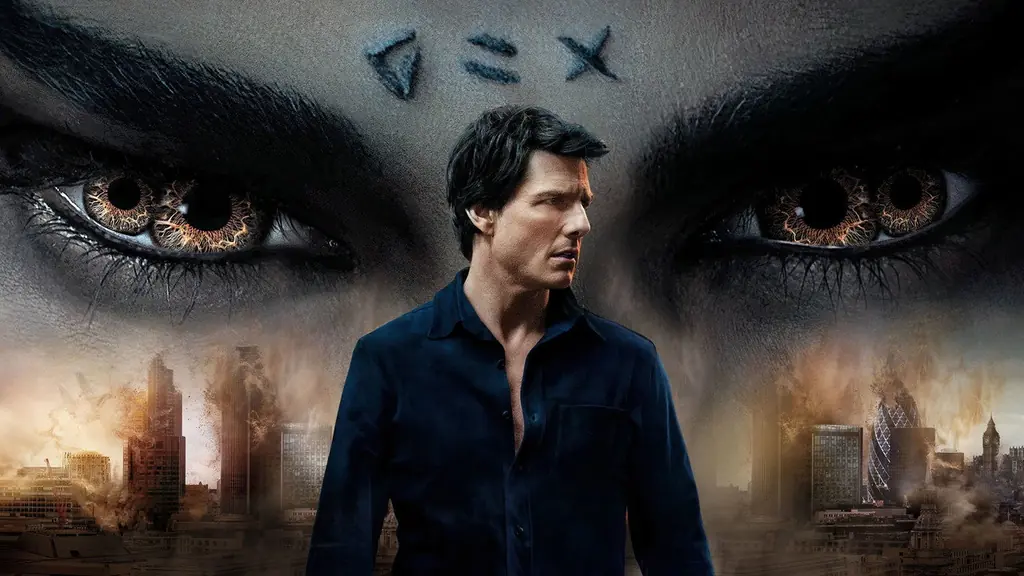
Universal Pictures launched its ambitious Dark Universe with The Mummy, a film tasked with not only retelling an ancient tale but also laying the groundwork for a sprawling monster cinematic universe. Audiences were primed for a fresh take on classic horror, with Tom Cruise leading the charge as Nick Morton, a treasure-hunting scavenger whose accidental discovery unleashes an ancient evil. The initial setup, with its globe-trotting grave-robbing, immediately evokes the spirit of an "Uncharted" adventure, promising a thrilling ride from the outset.
The Lead Dynamic & The Action
Tom Cruise remains perpetually on "Cruise control," delivering his signature commitment to every action sequence. Whether he's outrunning a massive sand cloud or navigating a chaotic plane crash, his dedication to the spectacle is undeniable. These moments of pure action are where The Mummy truly shines, offering genuinely cool and exhilarating visuals. However, the film struggles with a conflicting tone. It attempts to weave comedy into its otherwise dark and serious narrative, often with jarring results. Jokes about accidental shootings or characters shrugging off grim events feel out of place, creating a tonal whiplash that undermines the intended atmosphere. The movie wants to be super serious until it's super not, leaving viewers questioning its true identity.
Cameos, Nostalgia & Narrative Stakes
As Chapter One of the Dark Universe, The Mummy dedicates significant screen time to world-building, often at the expense of its immediate story. Russell Crowe appears as Dr. Jekyll, serving as a "Nick Fury" figure, introducing a central organization that ties the monster universe together. While intriguing, this setup frequently relies on heavy exposition, with characters stopping to explain ancient histories and impending threats. This constant need to inform the audience about the broader universe detracts from the urgency of the mummy's immediate threat. The film feels torn between being a standalone The Mummy adventure and a launchpad for future films. Ultimately, it leans heavily into the latter, becoming "the Tom Cruise show featuring The Mummy," rather than a cohesive monster movie in its own right.
Tone, Direction & Creative Freedom
Alex Kurtzman directs a film that, despite its initial promise, struggles with pacing and narrative focus. The conflicting tones, where serious horror elements clash with misplaced humor, suggest a lack of clear creative direction. While the opening acts deliver exciting visuals and a sense of adventure, the film noticeably slows down around the halfway mark. The constant need for exposition to establish the Dark Universe sacrifices a cohesive plot for the movie at hand. This approach leaves the audience interested in the potential of the universe but less invested in the actual story unfolding.
The Final Verdict
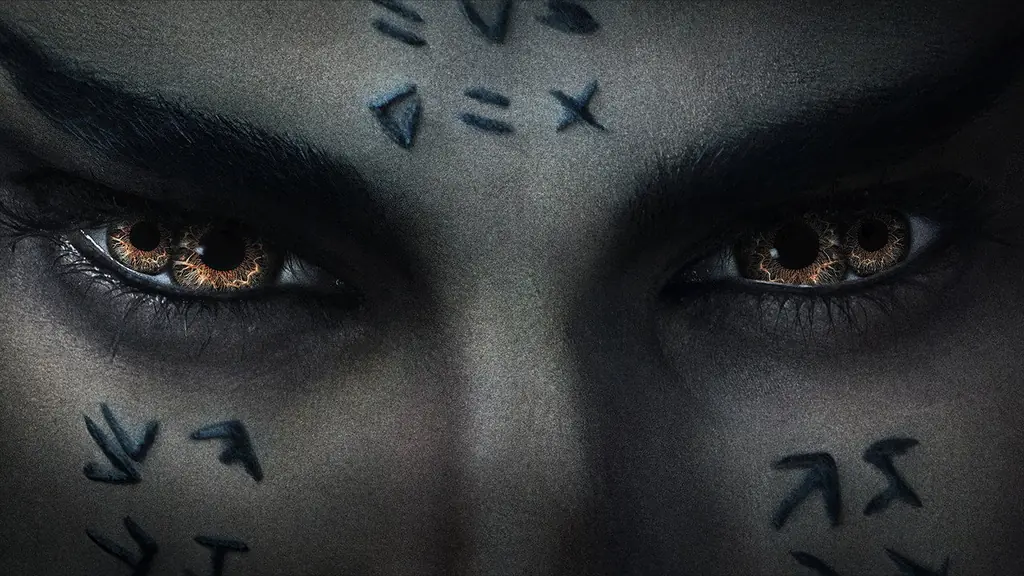
The Mummy is an ambitious, if flawed, attempt to kickstart a new cinematic universe. While Tom Cruise brings his usual star power and the action sequences are often thrilling, the film's identity crisis—caught between a dark monster flick and a comedic adventure—prevents it from truly soaring. It's a movie that, despite its flaws, might pique your interest in the broader Dark Universe concept, especially if you're a fan of classic monsters. However, as a standalone mummy film, it largely misses the mark, feeling more like an extended trailer for what's to come. Perhaps, as one might suggest, it's a film best enjoyed with a less critical eye, or even better, with a drink in hand.
What Worked
- Tom Cruise's unwavering commitment to action
- Thrilling and visually cool crash sequences
- Intriguing setup for the broader Dark Universe concept
- Initial "Uncharted" adventure vibe is engaging
What Didn't Work
- Conflicting tone between serious horror and misplaced comedy
- Excessive exposition sacrifices standalone plot for world-building
- Pacing issues, with the film slowing down significantly halfway through
- Comedy elements often fail to land and feel jarring



