Introduction
Hollywod loves a good possession story, and The Possession arrived as another entry in the crowded genre. This 2012 horror film, directed by Ole Bornedal, promised a chilling tale of a divorced father (Jeffrey Dean Morgan) and mother (Kyra Sedgwick) grappling with their daughter's (Natasha Calis) terrifying transformation after she acquires a mysterious antique box. The setup is classic: a seemingly innocuous object, a curious child, and the slow descent into demonic terror. But does this familiar formula deliver the scares, or does it get lost in its own buildup?
The Lead Dynamic & The Action
The film’s initial hour and fifteen minutes are largely dedicated to establishing the family dynamic and the creeping influence of the cursed box. While this period is intended as a slow burn, it often feels more like a slow drag. The narrative struggles to maintain engagement, with many characters failing to capture audience interest. However, a significant highlight emerges in Jeffrey Dean Morgan's performance. As the estranged father, he injects much-needed realism and wit into his dialogue, carrying the bulk of the film's early scenes. His portrayal of a dad trying to connect with his daughters amidst supernatural chaos is genuinely compelling, standing out against a backdrop of otherwise uninspired character work.
The pacing during this extended buildup is notably uneven. The editing, at times, employs a jarring, choppy style during moments of tension, cutting abruptly as characters react to unsettling events. While initially a stylistic choice, its repetitive use quickly becomes tiresome, diminishing its intended effect and highlighting the film's struggle to build sustained dread.
Cameos, Nostalgia & Narrative Stakes
For many viewers, the early stages of The Possession will evoke a strong sense of déjà vu. The narrative treads familiar ground, offering little in the way of fresh twists on the demonic possession trope. The film leans heavily into established genre conventions, leading to a predictable progression that undermines any real sense of narrative stakes. The audience is left with a feeling of "been here before," as the story unfolds exactly as one might expect from countless other possession films. The core warning, "don't buy creepy antiques from garage sales," is a survival 101 lesson that the characters, unfortunately, learn the hard way.
Tone, Direction & Creative Freedom
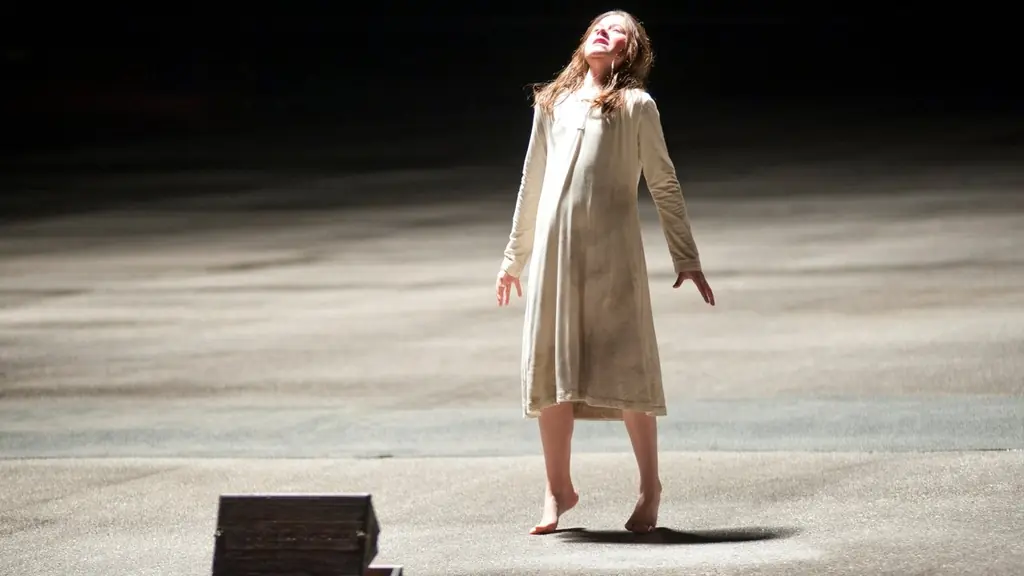
Curiously, The Possession undergoes a dramatic shift in its final half-hour. After a prolonged period of sluggish pacing and uninspired scares, the film suddenly ignites, delivering a genuinely creepy and cool climax. This concluding act feels like a different, far more effective movie, almost as if a separate, tighter horror special was tacked onto a much longer, less engaging feature. The intensity ramps up, the scares land with greater impact, and the demonic presence finally feels truly menacing. It's a stark contrast to the preceding hour, leaving viewers to wonder why this level of creative energy wasn't sustained throughout.
The film also touches upon the "based on a true story" claim, a common marketing tactic for horror. The narrative includes a scene where the possessed girl undergoes a CAT scan, purportedly revealing the demon within. This raises a skeptical eyebrow, with the logical question posed: if such an event truly occurred and was medically documented, where is the undeniable proof? The film's reliance on this claim, without offering any tangible evidence within its own narrative, only serves to highlight the gap between cinematic storytelling and verifiable reality.
The Final Verdict
The Possession is a film of two distinct halves. Its initial hour and fifteen minutes are a largely forgettable exercise in familiar horror tropes, plagued by slow pacing and unengaging characters, saved only by Jeffrey Dean Morgan's solid performance. However, its final half-hour delivers a potent, genuinely chilling experience that showcases the film's potential. While the strong ending provides a much-needed jolt, it struggles to fully redeem the preceding boredom. Ultimately, this is a movie that might be best enjoyed with a relaxed, less critical mindset, perhaps even in the spirit of a casual, late-night viewing party.
What Worked
- Jeffrey Dean Morgan delivers a strong, grounded performance.
- The final half-hour is genuinely creepy and effectively scary.
- The premise of a cursed antique box is inherently intriguing.
- Some moments of effective tension in the climax.
What Didn't Work
- The first hour and fifteen minutes are notably slow and boring.
- Many supporting characters are underdeveloped and unengaging.
- Repetitive and jarring choppy editing becomes tiresome.
- Relies heavily on familiar possession tropes without much originality.
- Uneven pacing creates a disjointed viewing experience.