Introduction
The year is 2013, and a provocative premise hits the big screen: for one night, all crime, including murder, is legal. This is the world of The Purge, a film that immediately captured attention with its audacious concept. Audiences were primed for a deep dive into societal breakdown, moral dilemmas, and the raw, unbridled chaos of humanity unleashed. Instead, what unfolds is a far more conventional, albeit tense, affair.
The story centers on the affluent Sandin family: patriarch [[Ethan Hawke]], portraying a somewhat "corporate dick type," his wife [[Lena Headey]], and their two children. They reside in a seemingly impenetrable suburban fortress, designed to withstand the annual night of lawlessness. As the clock ticks towards the 12-hour window of the Purge, their security system is activated, promising safety from the madness outside. However, a single act of compassion, or perhaps naivety, by their son, [[Max Burkholder]], shatters their illusion of invincibility, inviting a desperate stranger and, subsequently, a horde of masked assailants into their sanctuary.
The Lead Dynamic & The Action
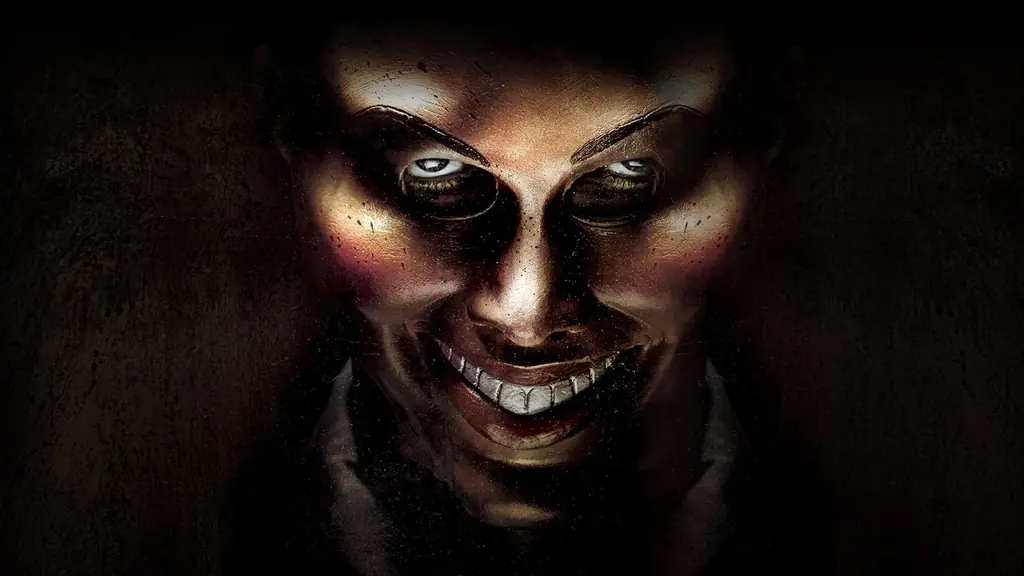
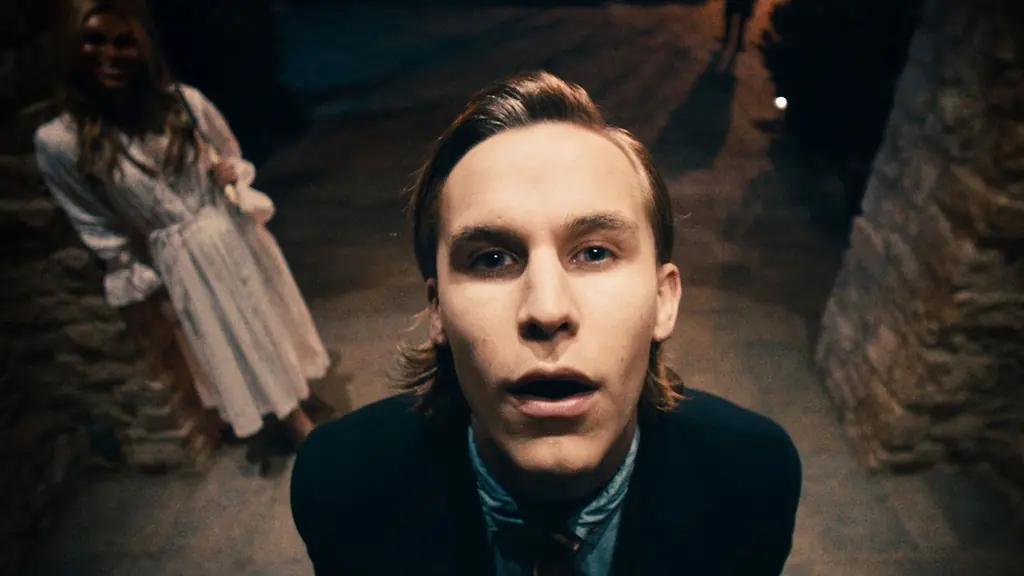
Once the home invasion kicks off, the film shifts gears from a high-concept thriller to a more straightforward, albeit brutal, survival narrative. The dynamic within the family quickly devolves into a desperate fight for survival, with [[Ethan Hawke]] and [[Lena Headey]] scrambling to protect their children and their home. The tension is palpable as the masked intruders, led by a chillingly polite yet menacing figure ([[Rhys Wakefield]]) who bears an uncanny resemblance to "Draco Malfoy if he was a muggle," demand their quarry.
While the film largely leans into generic horror tropes, it does deliver a few visceral moments. One standout sequence sees [[Lena Headey]] unleash a surprisingly brutal counter-attack, delivering a face-breaking blow that elicits a genuine "ouch" from the audience. It's a moment of raw, satisfying violence that briefly elevates the action. However, the overall execution of the conflict often strains credulity. Both the family and the invaders frequently make baffling, "idiotic" decisions, undermining the stakes and making it difficult to fully invest in their struggle. The attackers, despite their numbers and initial advantage, often seem to wander aimlessly, allowing the family to regroup in ways that defy logic.
Cameos, Nostalgia & Narrative Stakes
The most significant critique leveled against The Purge is its squandering of a truly compelling premise. The idea of a single night where all crime is legal offers a fertile ground for exploring social commentary, class warfare, and the dark underbelly of human nature. Yet, the film largely sidesteps these deeper implications, reducing the "Purge" to a mere plot device to facilitate a home invasion. The reviewer notes that the core narrative – a family protecting a stranger from vengeful pursuers – could exist entirely independent of the "murder is legal" conceit. This central concept, which should be the film's driving force, becomes a "minor convenience or inconvenience" that doesn't fundamentally alter the plot.
This failure to explore its own unique world leaves the film feeling like a missed opportunity. Instead of delving into the societal ramifications or the psychological impact of such an event, it opts for a more conventional, "cheap slasher flick" approach. The narrative stakes, while immediate and personal for the Sandin family, never expand to reflect the broader, more terrifying implications of the Purge itself.
Tone, Direction & Creative Freedom
James DeMonaco's direction establishes a tense atmosphere within the confines of the Sandin home, but the overall tone struggles to balance its provocative premise with its chosen genre. The film aims for horror and suspense, yet its reliance on predictable jump scares and illogical character actions often detracts from genuine terror. The primary antagonist, while initially unsettling in his mask, ultimately comes across as "creepy for the sake of being creepy," lacking the nuanced menace of truly memorable villains. The reviewer specifically points out that he's no Ben Foster from Hostage, highlighting a lack of depth in the villain's portrayal.
The film's pacing is relentless once the invasion begins, but this intensity is frequently undercut by the aforementioned narrative shortcomings. It feels as though the creative freedom afforded to the filmmakers was primarily used to craft a standard home invasion thriller, rather than to truly push the boundaries of its unique concept. The result is a film that feels like a wasted opportunity, settling for the familiar when it had the potential to be truly groundbreaking.
The Final Verdict
Ultimately, The Purge is a film that promises a thought-provoking exploration of a terrifying social experiment but delivers a largely generic home invasion horror. While the performances, particularly from [[Ethan Hawke]] and [[Lena Headey]], are commendable, and a few moments of brutal action stand out, the film's failure to capitalize on its own premise is its most glaring flaw. It's a movie that could have been so much more, yet it settles for being a "cheap slasher flick horror film." For those seeking a straightforward, unchallenging dose of home invasion thrills, it might pass the time, especially if viewed with a less critical eye. However, anyone hoping for a deeper, more insightful commentary on its audacious concept will likely find themselves profoundly disappointed by this wasted potential.
What Worked
- Provocative initial premise
- Strong performances from the main cast
- One particularly brutal, memorable action sequence
- Delivers on basic home invasion thrills
What Didn't Work
- Fails to explore its unique premise
- Reduces to a generic slasher/home invasion film
- Characters make illogical decisions
- Antagonists lack genuine menace