Introduction
Imagine a world where the master of the macabre, Edgar Allan Poe himself, is thrust into a real-life murder mystery mirroring his darkest tales. That's the tantalizing setup for The Raven, a film that dangles the intriguing prospect of Poe solving crimes ripped straight from his own gruesome imagination. It's a concept that sounds ripe for a thrilling, gothic adventure. Yet, as the narrative unfolds, it quickly becomes clear that this isn't the biopic fans might have hoped for, nor a truly original take. Instead, it leans into a familiar trope: the author whose fictional horrors suddenly manifest in reality, requiring their unique insight to catch a killer. The question quickly becomes, was this truly necessary, or does it merely place Poe into a rather cliché cinematic box?
The Lead Dynamic & The Action
At the heart of The Raven is John Cusack as Edgar Allan Poe, a casting choice that, for some, might evoke a certain "Nick Cage" quality – a gamble on whether the performance will land. The acting throughout the film is, charitably, inconsistent, oscillating between merely "okay" and outright "terrible." There's little middle ground, leaving audiences to wonder which end of the spectrum they'll get from scene to scene. The character dynamics fare no better. Take the relationship between Poe and Inspector Fields, played by the usually reliable Brendan Gleeson. Initially, Fields harbors a strong disdain for Poe, only for their animosity to inexplicably dissolve into a casual camaraderie. This shift feels unearned and happens so abruptly, it's as if crucial character development occurred entirely off-screen, leaving viewers scratching their heads.
Adding to the film's woes is the portrayal of Emily Hamilton, played by Alice Eve. Despite her character being in grave danger, a pivotal scene intended to be terrifying instead elicits unintended laughter. When a menacing figure commands her to "Shut up," her immediate, docile compliance under extreme duress struck many as more comical than frightening, undermining any attempt at building genuine suspense or fear. These moments highlight a broader issue: a cast of characters that struggles to connect with the audience, making it difficult to invest in their fates.
Cameos, Nostalgia & Narrative Stakes
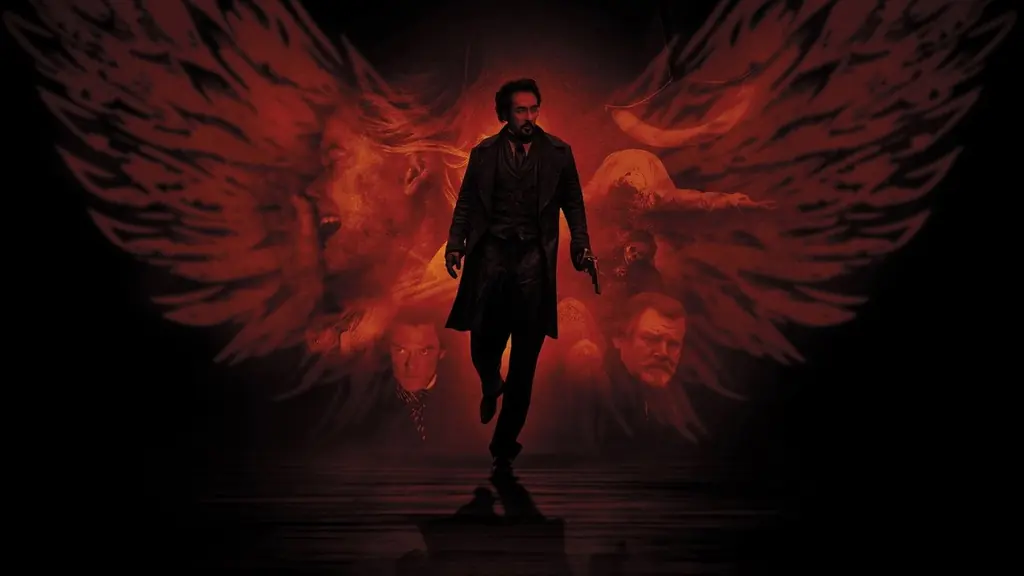
The Raven attempts to capitalize on the macabre allure of Edgar Allan Poe's stories, using them as a blueprint for a series of grisly murders. However, this "gimmick" ultimately feels underdeveloped. The film presents itself as a murder mystery, but it's a remarkably "light" one, lacking the genuine suspense and palpable fear that Poe's own works masterfully evoke. The narrative struggles to build any real stakes, leaving the audience largely disengaged from the unfolding events. Instead of a gripping psychological thriller, what emerges is a plot that feels more like a superficial homage than a deeply woven mystery. The reliance on Poe's name and the recognition of his stories doesn't translate into a compelling cinematic experience, leaving the narrative feeling hollow and ultimately forgettable.
Tone, Direction & Creative Freedom
Directed by James McTeigue, known for his work on "V for Vendetta" and "Ninja Assassin," The Raven unfortunately doesn't reach the same heights. While McTeigue has demonstrated a knack for stylish action and intricate plotting in previous projects, this film feels like a misstep. The tone often wavers, unable to consistently deliver either the gothic dread it aims for or the engaging mystery it promises. The pacing, too, contributes to the film's forgettability; scenes often lack the tension needed to propel the story forward, and character motivations shift without adequate explanation. It leaves one wondering if the creative freedom was truly there to craft a unique vision, or if the film became bogged down by its own premise, resulting in a product that feels neither inspired nor particularly memorable.
The Final Verdict
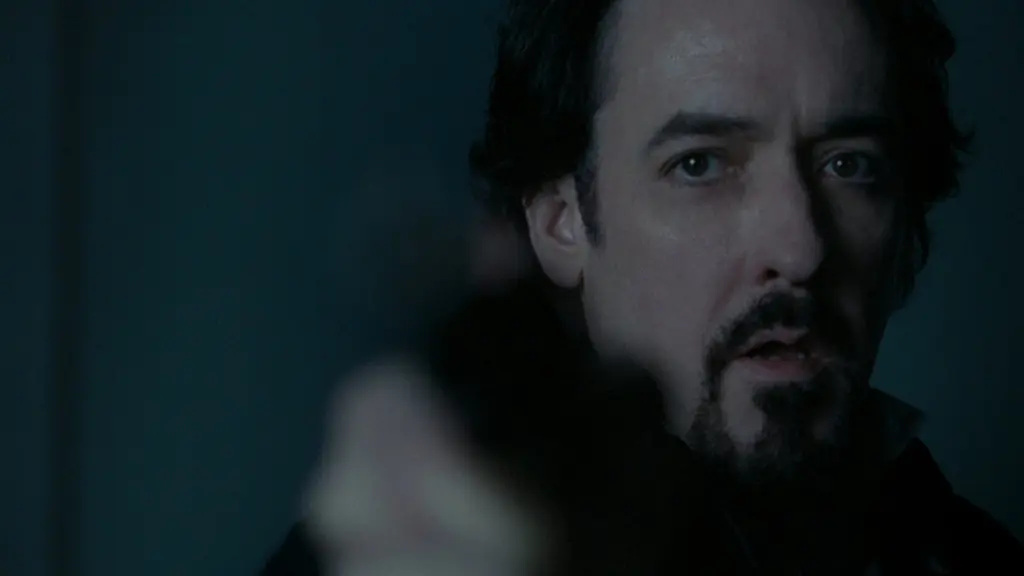
Ultimately, The Raven is a film that promises a fascinating premise but delivers a largely unremarkable experience. It's the kind of movie that, despite its intriguing concept, fades from memory almost as soon as the credits roll. While the idea of Edgar Allan Poe solving crimes inspired by his own dark tales holds undeniable appeal, the execution falls short. With inconsistent performances, a lack of genuine suspense, and character dynamics that feel unearned, the film struggles to leave a lasting impression. It's an "okay" watch if you're looking for a fleeting distraction, but don't expect to be haunted by its mysteries or captivated by its characters. As the reviewer aptly put it, "Nevermore" will you remember this one.
What Worked
- Intriguing premise of Edgar Allan Poe solving crimes based on his stories
- [[person:2039|Brendan Gleeson]] brings a certain coolness to his role
- Attempts to capture a gothic atmosphere
- Unique take on a historical figure
What Didn't Work
- Inconsistent and often poor acting performances
- Lack of genuine suspense or fear
- Unconvincing and abrupt character relationship developments
- Ultimately forgettable and cliché plot
- Missed opportunity for a true Poe biopic