Introduction
The anticipation for a modern The Three Stooges film was palpable, especially with the Farrelly Brothers at the helm. Yet, the early departures of actors like Jim Carrey and Sean Penn hinted at potential trouble. What arrived on screen was a feature-length attempt to recapture the classic slapstick, but it quickly became clear why some projects are best left in the past.
The Lead Dynamic & The Action
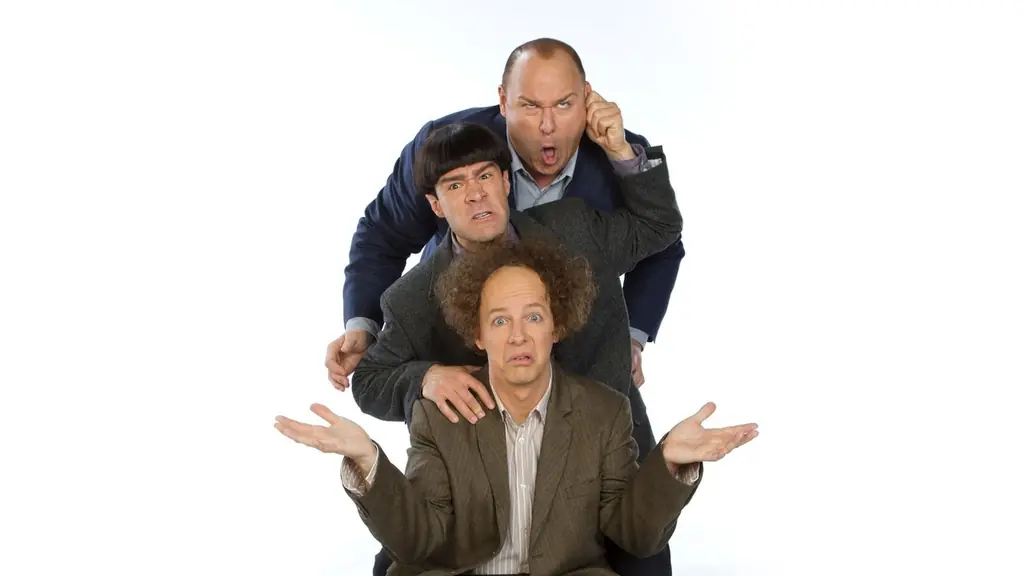
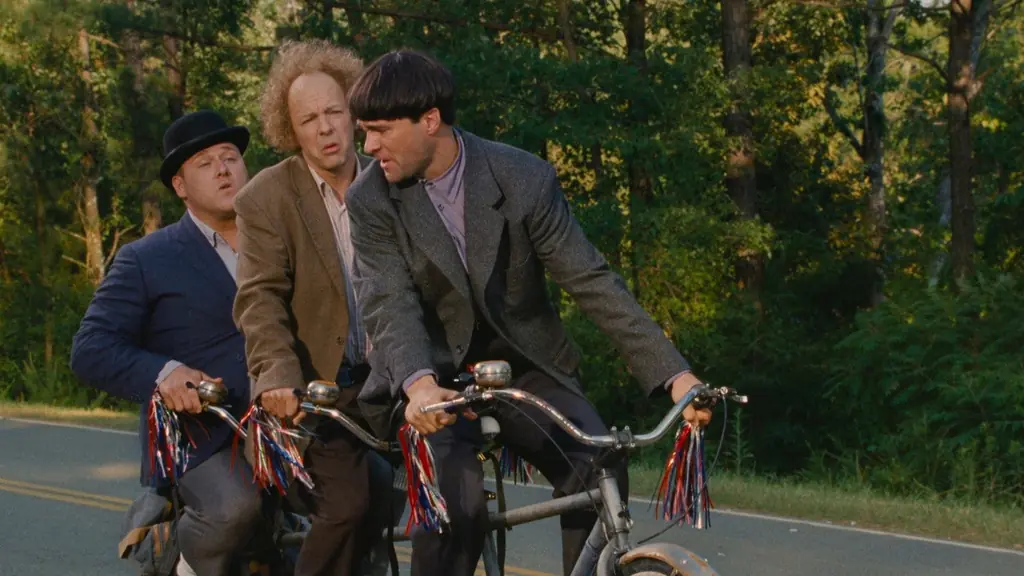
One undeniable strength of this revival is the casting. Sean Hayes, Will Sasso, and Chris Diamantopoulos deliver uncanny impressions, not just looking the part but sounding exactly like Larry, Curly, and Moe. Their commitment to mimicking the original trio's mannerisms and vocalizations is genuinely impressive. However, this fidelity to character doesn't translate into consistent laughs. The relentless eye-pokes, head-bonks, and "nyuk-nyuks" that worked in short bursts become an exhausting barrage over 90 minutes. The physical comedy, while accurately replicated, often feels forced and devoid of genuine comedic timing, leaving the audience more depressed than delighted.
Cameos, Nostalgia & Narrative Stakes
The film attempts to weave a narrative around the Stooges' antics, but the plot often feels secondary to the barrage of gags. While some nostalgic touches, like the iconic theme music fading between scenes, offer fleeting moments of recognition, they can't salvage the overall flatness. Perhaps the most surprising highlight comes from an unexpected source: the much-maligned cameo by the Jersey Shore cast. Seeing Moe slap around and berate the reality TV crew provided the film's single most entertaining and genuinely chuckle-worthy sequence, a moment of unexpected meta-humor in an otherwise humorless landscape. Unfortunately, these brief sparks of amusement are too few and far between to justify the film's runtime.
Tone, Direction & Creative Freedom
Directed by Peter Farrelly, the film struggles with its tone, oscillating between faithful homage and a desperate attempt to modernize. The most baffling creative choice, however, arrives in the post-credits scene. A public service announcement featuring models posing as the Farrelly Brothers, explaining that the mallets used are fake and urging kids not to imitate the stunts, feels like an insult to the audience's intelligence. This unnecessary disclaimer undermines any remaining goodwill, suggesting a lack of faith in viewers' common sense and highlighting a pervasive creative timidity that plagues the entire production. It's a moment that leaves a sour taste, questioning the very premise of bringing such a violent, albeit comedic, style to a contemporary audience if the filmmakers feel compelled to apologize for it.
The Final Verdict
The Three Stooges is a well-intentioned but ultimately misguided effort. What works brilliantly in short, sharp bursts becomes an endurance test when stretched to feature length. Despite the lead actors' remarkable impersonations and a few surprising laughs from unexpected cameos, the film largely misses the mark, delivering a comedic experience that is more depressing than delightful. It's a stark reminder that some classics are best enjoyed in their original form, proving that fidelity to source material isn't always enough to guarantee a good time.
What Worked
- Lead actors perfectly mimic the original Stooges' voices and mannerisms.
- The Jersey Shore cameo provides unexpected and genuine laughs.
- Nostalgic use of the classic Three Stooges theme music.
What Didn't Work
- 90-minute runtime is far too long for relentless slapstick, leading to exhaustion.
- Jokes consistently fall flat, failing to generate consistent humor.
- Overall tone is more depressing than entertaining.
- Baffling and unnecessary post-credits public service announcement.