
Introduction
Anticipation swirled around The Turning, a horror entry that promised chilling psychological thrills and featured fan-favorite Finn Wolfhard. The setup is classic: a governess, played by Mackenzie Davis, arrives at a sprawling, creepy estate to care for two orphaned children. No parents, just an old maid, a big house, and the promise of something sinister lurking within. But does this modern take on a classic tale deliver on its spooky potential?
The Lead Dynamic & The Action
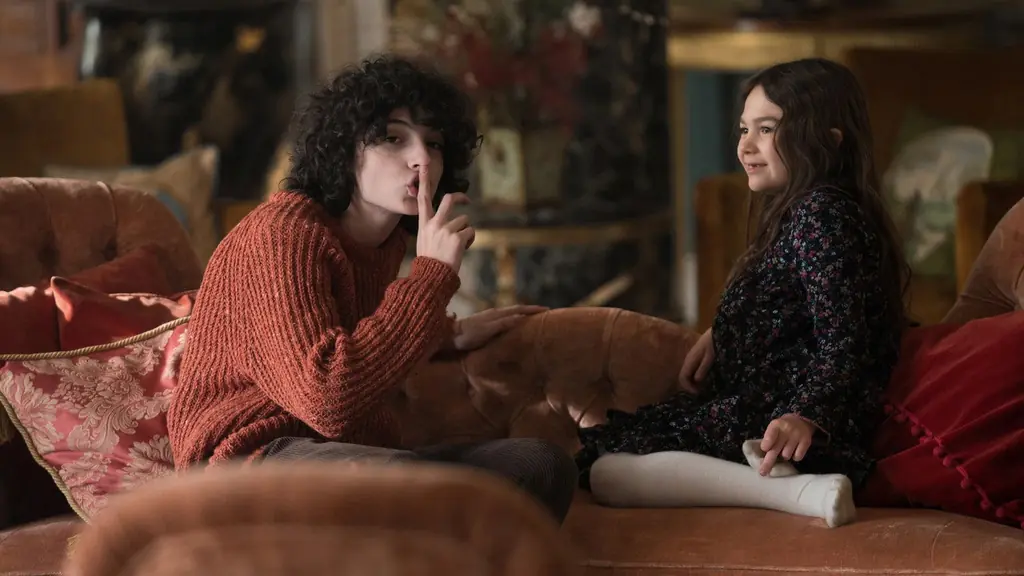
Mackenzie Davis steps into the role of the live-in nanny, quickly bonding with the sweet younger sister, portrayed by Brooklynn Prince. However, the dynamic shifts dramatically with the older brother, played by Finn Wolfhard, who embraces his role as a "dick" with palpable relish. While the performances are generally fine given the material, the film struggles to build compelling action or truly terrifying set pieces. Instead, it leans heavily into a psychological thriller approach, which initially shows glimmers of cleverness.
Cameos, Nostalgia & Narrative Stakes
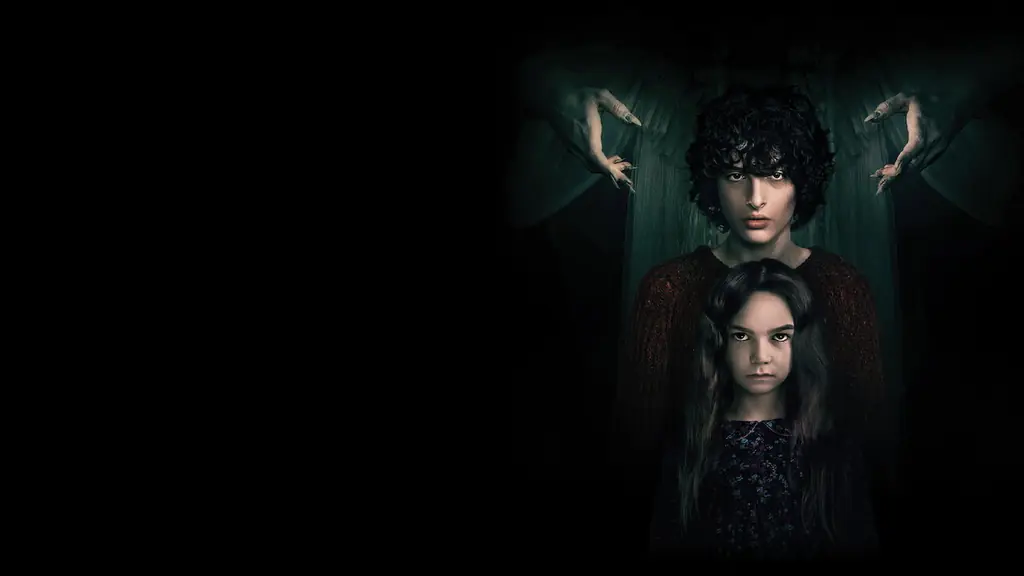
The Turning attempts to be a nuanced psychological thriller, presenting subtle background imagery – a fleeting face, a shadowy figure – that hints at deeper horrors without overtly breaking the fourth wall. This initial subtlety feels clever, avoiding the cliché of characters being pushed to the side of the frame to highlight an obvious scare. Yet, this promising approach quickly gives way to significant pacing issues. The narrative stakes feel muddled, especially when the film introduces a "named ghost" late in the game, expecting the audience to have prior knowledge that simply isn't provided. This leaves viewers scratching their heads, wondering who this supposed central figure is and why they should care.
Tone, Direction & Creative Freedom
Directed by Floria Sigismondi, the film’s tone starts with an intriguing, understated creepiness. However, as the story progresses, any initial cleverness dissipates, devolving into a generic "ghost chasing them" scenario in the final act. The shift feels abrupt and unearned, as if the filmmakers either ran out of ideas or were forced to pivot. The ending, in particular, is a major point of contention. While the concept of the ending might have been intriguing, its execution feels rushed and contradictory to earlier plot points, leaving a sense of "did they run out of budget?" rather than a compelling, thought-provoking conclusion. The film ultimately feels like a missed opportunity, a promising concept hampered by inconsistent direction and a lack of cohesive narrative follow-through.
The Final Verdict
Ultimately, The Turning isn't a film to be angry about, but rather one that inspires disappointment. It flashes moments of genuine promise, particularly in its initial psychological approach and the intriguing concept behind its conclusion. However, poor execution and a frustratingly slow pace derail any potential. This is a movie ripe for a remake, one that could truly capitalize on its strong foundational ideas and deliver the chilling experience it initially hinted at. As it stands, it’s a forgettable entry that struggles to leave a lasting impression.
What Worked
- Initial psychological thriller concept
- Subtle background imagery in early scenes
- Mackenzie Davis and Finn Wolfhard deliver fine performances
- Intriguing concept for the ending
What Didn't Work
- Significant pacing issues
- Confusing and contradictory ending
- Devolves into generic ghost chasing
- Unexplained "named ghost"
- Missed potential due to poor execution



