Introduction
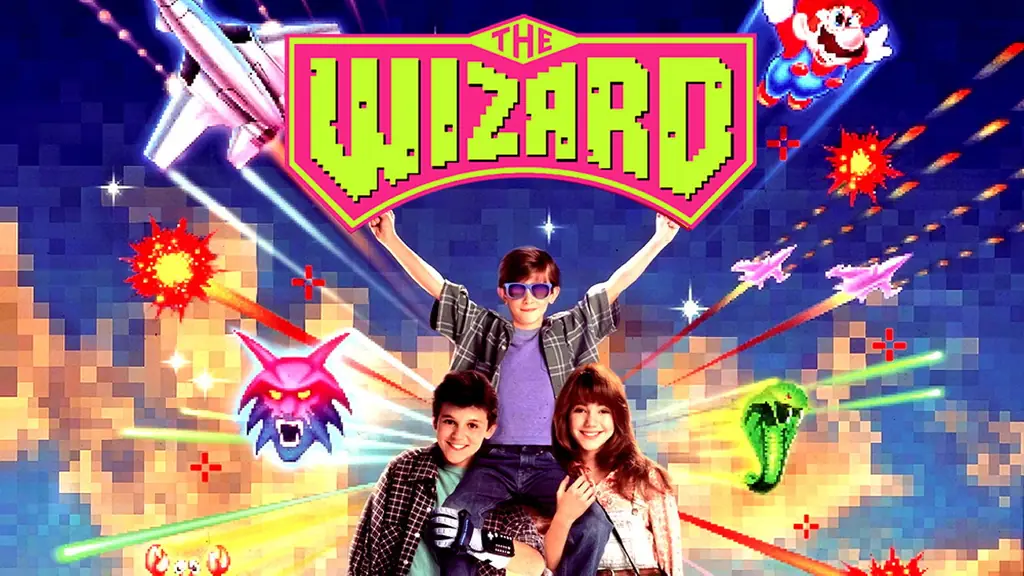
For many, The Wizard holds a special, if slightly hazy, place in childhood memories. Rediscovering this 1989 adventure in high-definition reveals a film that was, for some, a cool cinematic experience, but for others, a peculiar relic. It’s a journey back to a time when video games were simpler, and product placement was, well, less subtle.
The Lead Dynamic & The Action
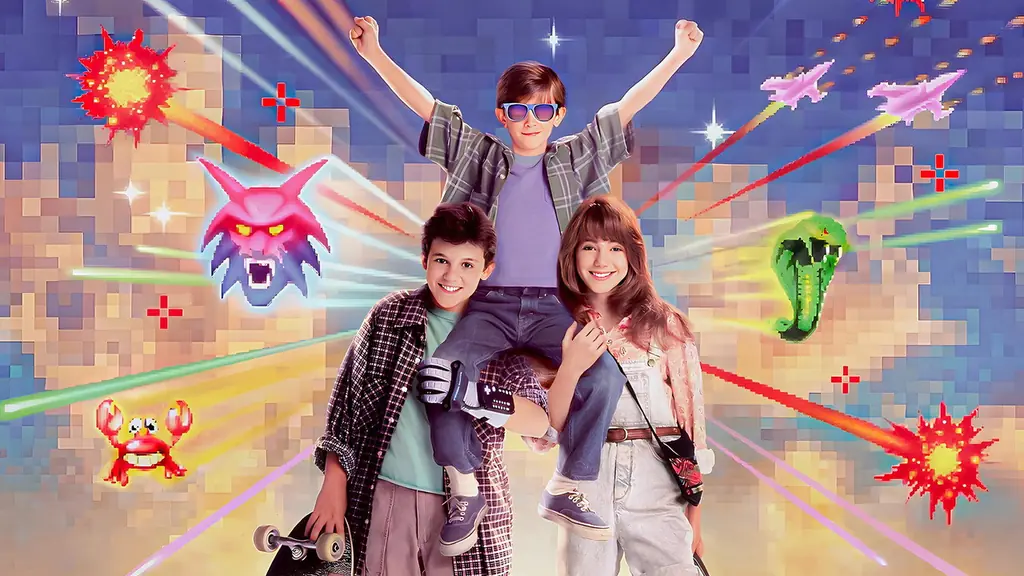
At its core, The Wizard follows the runaway antics of Fred Savage’s character and his traumatized, video-game-savant brother, played by Luke Edwards. This dynamic quickly earns the film the moniker "Rain Man for kids," as the brother’s uncanny gaming ability becomes the driving force. Their cross-country escapade, joined by a resourceful girl (who the reviewer compares to Hermione), is fueled by the promise of a $50,000 prize at a massive video game tournament in Los Angeles. The stakes, for a kid’s movie, are surprisingly high, with the payoff for winning feeling even more significant than Eminem’s victory in "8 Mile."
The road trip itself is less a narrative journey and more an elaborate, two-hour commercial for Nintendo. Viewers will quickly spot the blatant propaganda, like arcade games being played on screen while the NES version is shown. The infamous line, "I love the Power Glove, it's so bad," delivered by a rival character reminiscent of Johnny from "Karate Kid," perfectly encapsulates the film's earnest, if clunky, embrace of its commercial agenda.
Cameos, Nostalgia & Narrative Stakes
Beyond the initial Nintendo showcase, the film doubles down on its commercial nature. An hour and a half in, the narrative shifts from a Nintendo advertisement to a full-blown Universal Studios commercial, complete with a King Kong ride sequence that, for many, shattered the illusion of movie magic. The film’s biggest reveal, the "unveiling" of Super Mario Bros. 3, was a groundbreaking marketing stunt at the time, essentially serving as the coolest Nintendo advertisement ever. However, with Super Mario Bros. 3 now a distant memory, and games like Super Mario Galaxy in existence, that specific brand of nostalgia has largely evaporated for modern audiences.
The acting throughout is notably wooden, with lines that often feel unnatural. Scenes like three fifty-year-old businessmen in suits playing arcade games stretch credulity, highlighting the film’s often-unrealistic portrayal of its world. The narrative stakes, while present, often feel secondary to the continuous stream of product placement.
Tone, Direction & Creative Freedom
Under the direction of Todd Holland, The Wizard maintains a tone that is earnest but ultimately hampered by its commercial obligations. It’s clear the film was designed to be a vehicle for Nintendo, rather than a standalone cinematic achievement. The pacing is dictated by the need to showcase various games and locations, making it feel less like a cohesive story and more like a series of interconnected advertisements. This lack of creative freedom, or perhaps the embrace of it, results in a film that struggles to find its footing as a genuine piece of entertainment outside of its very specific niche.
The Final Verdict
The Wizard is not a great film by conventional standards. Its acting is questionable, and its plot is a thinly veiled excuse for product placement. However, for a very specific demographic—old-school Nintendo video gamers who grew up in the 80s—it offers a unique, if flawed, trip down memory lane. If you’re part of that niche, perhaps watching it with a sense of ironic detachment or as a party game, you might find moments of genuine enjoyment and nostalgia. For anyone else, it’s likely to be a baffling, poorly acted experience that serves as a stark reminder of 80s marketing tactics.
What Worked
- Potent nostalgia for 80s Nintendo fans
- Served as the "unveiling" of Super Mario Bros. 3
- Unique "Rain Man for kids" premise
- A fun, if flawed, road trip adventure for a specific demographic
What Didn't Work
- Blatant, extended product placement throughout
- Wooden and unconvincing acting performances
- Nostalgia is largely outdated for modern audiences
- Breaks immersion with behind-the-scenes reveals (e.g., King Kong ride)