Introduction
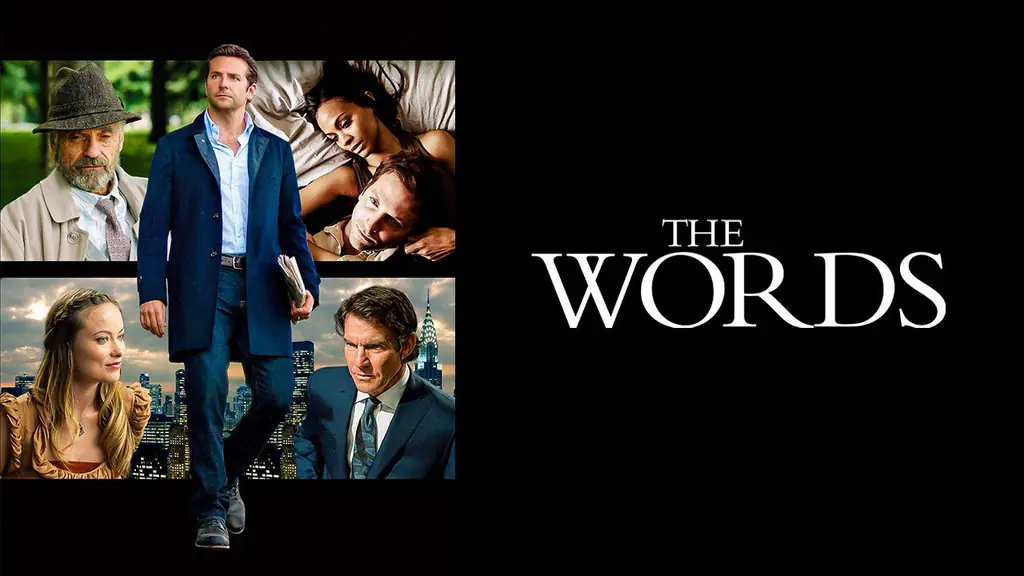
The Words arrives with a compelling premise: a struggling writer, desperate for recognition, stumbles upon a forgotten manuscript and passes it off as his own. The initial setup promises a gripping tale of ambition, deceit, and the inevitable fallout. For its first third, the film delivers on this promise, drawing viewers into a slow-burn drama that feels genuinely intriguing.
The Lead Dynamic & The Action
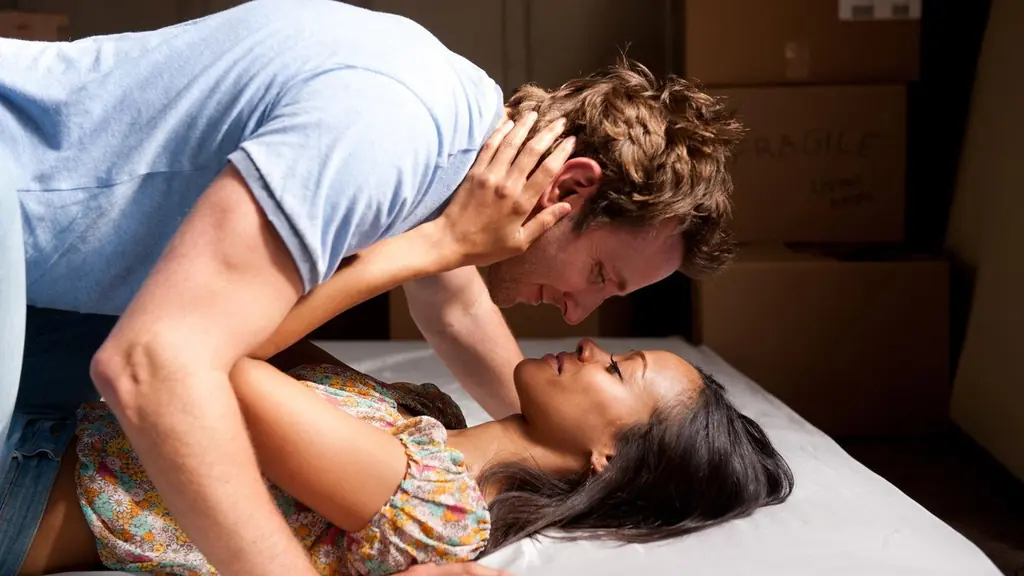
Bradley Cooper portrays the aspiring writer, Rory Jansen, with a relatable desperation. His struggle to turn a hobby into a career, to simply get paid for his passion, resonates deeply. Viewers find themselves empathizing with his dilemma, even as he makes the morally questionable choice to plagiarize. While the film features Zoe Saldaña in a supporting role, the core of this section rests on Cooper's internal conflict and the initial empathy he garners. The film effectively builds a sense of impending doom, making the audience anticipate the moment his deception will unravel.
Cameos, Nostalgia & Narrative Stakes
The narrative takes a significant turn when Jeremy Irons enters the picture, confronting Rory about the stolen work. This moment, which should be the film's dramatic peak, quickly deflates. Instead of a tense conflict, the film dedicates an unexpectedly long segment—what feels like 30 minutes—to Irons' character recounting his backstory through a voiceover. While the visuals accompany this narration, it transforms a potential confrontation into a tedious story time. This extended flashback, despite the inherent tragedy of Irons' character, feels like an unnecessary detour. The film already establishes the injustice of the plagiarism; a lengthy explanation of the original author's plight feels redundant and actively detracts from the narrative momentum. The lack of sustained conflict between Cooper and Irons, especially after such a build-up, leaves the narrative stakes feeling surprisingly low.
Tone, Direction & Creative Freedom
Lee Sternthal's direction initially establishes a compelling, slow-drama tone that works well. However, the decision to dedicate such a significant portion of the runtime to Jeremy Irons' backstory, delivered as a prolonged voiceover, severely impacts the pacing. What could have been a concise, impactful revelation becomes a drawn-out exposition that tests the audience's patience. The film struggles to regain its footing after this narrative misstep, leading to a jumbled and unsatisfying conclusion. It feels as though the creative freedom taken with this lengthy flashback ultimately undermined the film's potential for a truly engaging dramatic conflict.
The Final Verdict
The Words starts strong, presenting a fascinating ethical dilemma and a sympathetic protagonist. The initial intrigue and the build-up to the inevitable confrontation are genuinely captivating. However, the film ultimately falters, particularly with its protracted and unnecessary backstory sequence, which derails the pacing and diminishes the narrative's impact. What begins as a promising exploration of authorship and consequence ends as a largely forgettable drama that struggles to maintain its initial spark. It's a film that leaves you wishing the compelling first act had led to a more consistently engaging experience.
What Worked
- Intriguing initial premise about plagiarism and ambition
- Strong performance from [[person:51329|Bradley Cooper]] as the struggling writer
- The first third effectively builds empathy and anticipation
- Explores the moral complexities of artistic ownership
What Didn't Work
- Overly long and tedious backstory sequence from [[person:16940|Jeremy Irons]]
- Lack of sustained conflict between the main characters
- Pacing issues that cause the narrative to drag
- A jumbled and ultimately forgettable ending