Introduction
A romantic comedy hitting theaters just after Valentine's Day, This Means War arrived with a premise that felt almost immediately out of sync with the seasonal buzz. Starring Chris Pine and Tom Hardy as rival spies battling for the affections of Reese Witherspoon, the film promised high-stakes espionage mixed with romantic hijinks. Yet, for many, the initial half-hour proved a tough sell, leaving audiences wondering if they'd signed up for a dud. But stick with it, and the movie eventually finds its footing, transforming from a questionable start into the entertaining spectacle the trailers promised.
The Lead Dynamic & The Action
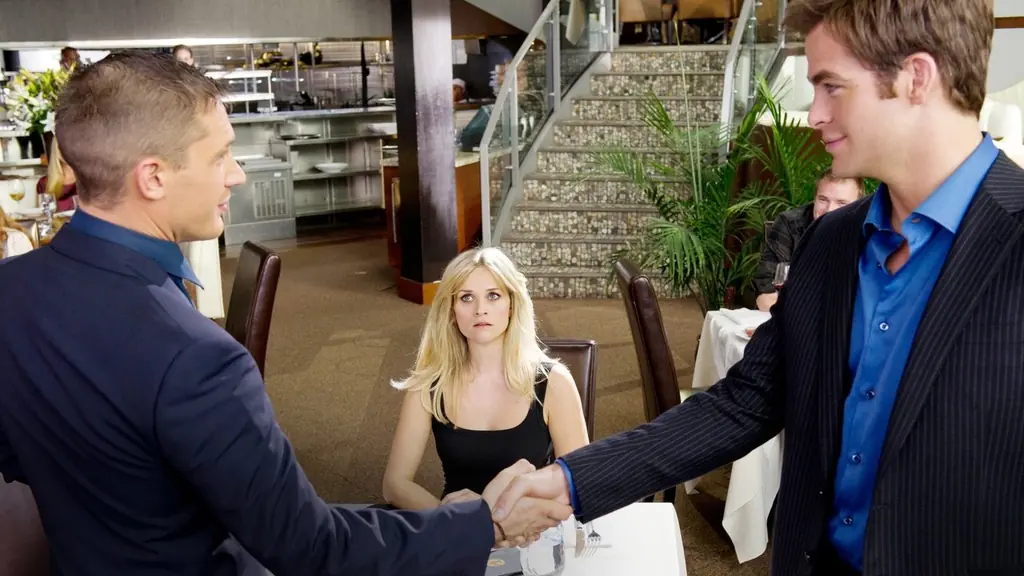
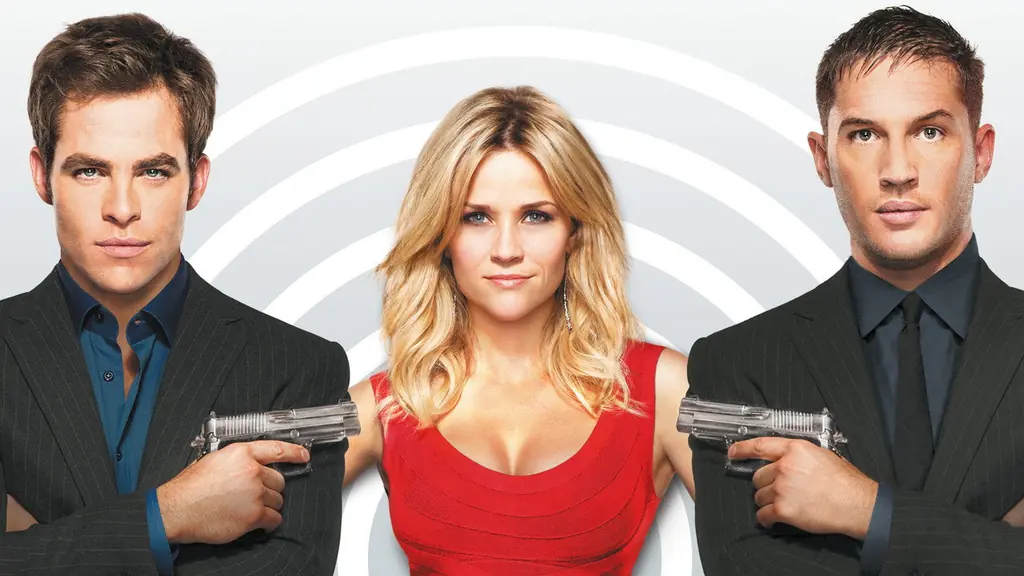
The core appeal of This Means War undeniably rests on the shoulders of its leading men. Chris Pine embodies the cool, playboy spy, while Tom Hardy plays the surprisingly nice guy, despite looking like he could "break Batman's back." Their dynamic, as they spy on each other's dates with Reese Witherspoon, is where the film truly sparks. The sheer entertainment of watching two highly skilled agents use their resources to sabotage each other's romantic endeavors is infectious. A standout moment, universally praised, involves their hilarious antics set to the Beastie Boys' classic "Sabotage"—a sequence that perfectly encapsulates the film's fun, competitive spirit.
Cameos, Nostalgia & Narrative Stakes
While This Means War doesn't lean heavily on cameos or overt nostalgia, its narrative stakes are entirely built around the central love triangle. The film's strength lies in the simple, yet effective, hook of two spies fighting over one woman. This premise, heavily featured in the marketing, is exactly what viewers came for, and the film delivers on that front for a significant portion of its runtime. However, the journey isn't without its bumps. The film struggles to maintain its momentum, with the ending proving particularly divisive. What starts as an entertaining spy-versus-spy romantic comedy ultimately falters, leaving a mixed impression where the "dislike to like" ratio often tips unfavorably.
Tone, Direction & Creative Freedom
Under the direction of McG, This Means War exhibits his signature style: high energy, but often lacking in genuine substance. His films are often likened to "Red Bull"—they provide a jolt of excitement but little lasting impact. This approach is evident here, particularly in the film's uneven pacing. The initial thirty minutes are a slog, failing to engage. Yet, once the espionage and romantic competition fully kick in, the film becomes undeniably entertaining, delivering the kind of popcorn fun expected from a McG production. It's a film that prioritizes spectacle and immediate gratification over a cohesive, well-rounded narrative.
The Final Verdict
Ultimately, This Means War is a film best approached with tempered expectations. It's the kind of movie that's "okay if you're drunk" or serves as background entertainment for a casual gathering. While the performances from Chris Pine, Tom Hardy, and Reese Witherspoon are commendable, and the central premise offers genuine laughs and thrills, the film's overall execution, particularly its weak ending and initial sluggishness, prevents it from being a truly memorable experience. It's a high-energy, low-substance affair that delivers fleeting entertainment for those willing to overlook its significant flaws.
What Worked
- The inherently entertaining premise of rival spies.
- Strong chemistry and dynamic between Chris Pine and Tom Hardy.
- A memorable "Sabotage" sequence.
- Actors deliver solid performances in their roles.
What Didn't Work
- A slow and unengaging first half-hour.
- McG's direction prioritizes energy over narrative depth.
- A divisive and ultimately disliked ending.
- The overall experience leans towards disappointment despite entertaining moments.