Introduction
For years, Titanic was the film that launched a thousand crushes, particularly for those smitten with Leonardo DiCaprio. But beyond the heartthrob hype, what truly lies beneath the surface of James Cameron's epic? Initially dismissed by some as mere romantic fluff, a re-evaluation reveals a film far more complex and compelling, a true testament to human drama against an unthinkable backdrop.
The Lead Dynamic & The Action
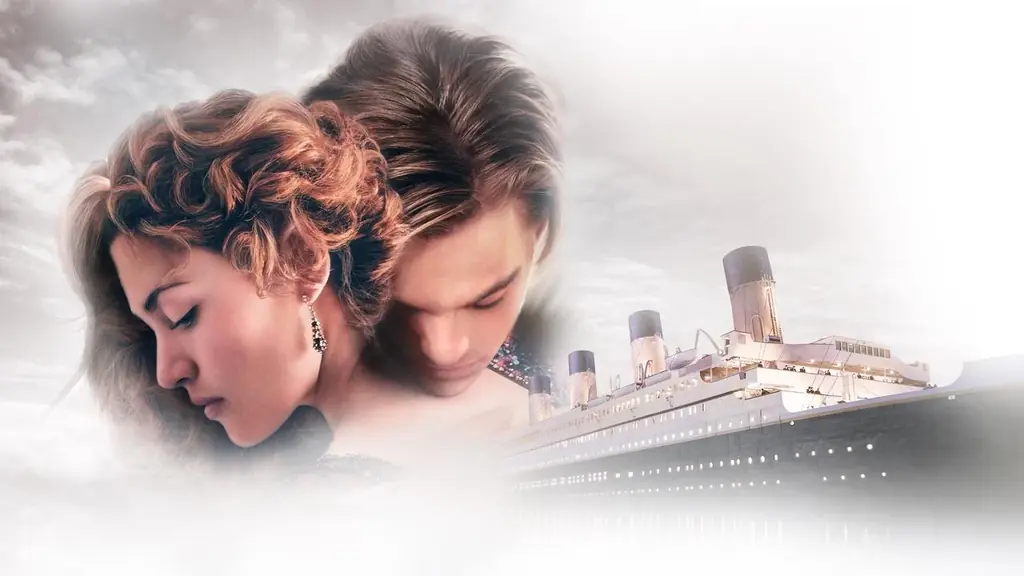
At its core, Titanic presents a classic "star-crossed lovers" narrative. We meet Rose, played by the captivating Kate Winslet, trapped in a gilded cage, engaged to the utterly detestable Cal Hockley, brought to life with chilling precision by Billy Zane. Zane's performance as the '90s cinema's ultimate jerk is a standout; he's a character so self-serving, he's practically a villain before the ship even hits the iceberg. Enter Jack Dawson, the free-spirited artist portrayed by Leonardo DiCaprio, who offers Rose a glimpse of a life beyond her suffocating world.
The first hour and a half is a straight-up romance, a formulaic yet effective dance of forbidden love. While some of the dialogue, like the infamous "I'm flying" or Jack's enthusiastic "woo" moments, leans into the cheesy, it's a foundation that successfully draws the audience into their burgeoning connection. James Cameron masterfully builds empathy for the pair, making their bond feel genuine despite the familiar tropes.
Then, the ship hits the iceberg, and the film transforms. What begins as a lavish love story plunges into a harrowing survival epic. The orderly facade of society crumbles, revealing humanity at its most desperate and, often, its most depraved. People cut ropes, jump into the icy Atlantic, and the slow swell of chaos escalates into a full-blown riot. It's a visceral, unflinching look at what people do when faced with inevitable death, a stark contrast to the earlier romantic idealism.
Cameos, Nostalgia & Narrative Stakes
The narrative stakes skyrocket the moment the ship's fate is sealed. The film expertly balances the personal drama of Rose and Jack with the broader catastrophe, showcasing the sheer scale of the disaster. While the special effects, particularly in some close-ups, might show their age slightly, James Cameron's decision not to "Lucas out" and digitally alter the original footage is commendable. It preserves the film's authentic 1997 vision.
The film's strength lies in its portrayal of the human element during the crisis. It’s not just about the sinking ship; it’s about the breakdown of social order, the raw instinct for survival, and the moments of both profound selfishness and selfless sacrifice. The sheer terror and desperation are palpable, making the audience question their own reactions in such an extreme scenario.
Tone, Direction & Creative Freedom
James Cameron's direction is a masterclass in managing tone. He seamlessly transitions from the opulent romance of the first act to the terrifying, chaotic survival of the second. The film's re-release, particularly its 3D conversion, stands out. Unlike many post-production 3D conversions that feel tacked on, Titanic's 3D is exceptionally well-executed, even surpassing many films originally shot in 3D. It’s a testament to Cameron’s understanding of the technology and his commitment to enhancing the cinematic experience without compromising the original vision. This creative freedom allowed him to craft a film that is both a sweeping love story and a brutal, realistic depiction of disaster.
The Final Verdict
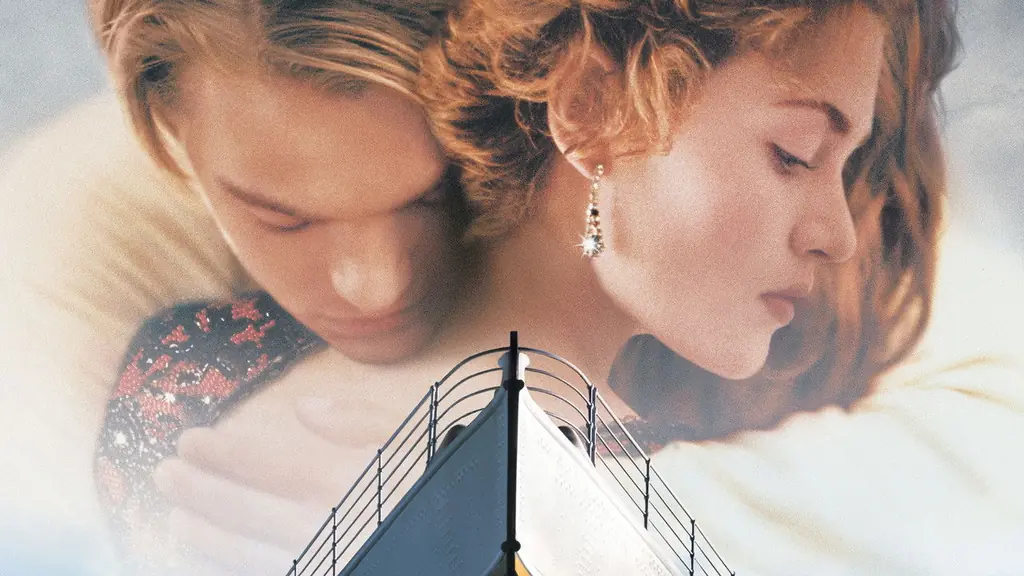
Titanic is far more than just a "puppy love romance." It's a hardcore survival movie, a gripping exploration of human nature under duress, and an emotional powerhouse that still resonates decades later. Whether you're drawn to the epic love story, the terrifying depiction of a historical tragedy, or even the sheer spectacle of a man hitting a propeller on the way down, this film delivers. It’s a cinematic experience that blends grand romance with brutal reality, making it an essential watch that holds up remarkably well.
What Worked
- Masterful blend of sweeping romance and harrowing disaster.
- Compelling portrayal of human behavior during crisis.
- Exceptional 3D conversion, enhancing the cinematic experience.
- Billy Zane's standout performance as a memorable villain.
- Enduring emotional impact that resonates decades later.
What Didn't Work
- Some dialogue in the romance scenes can feel cheesy.
- Certain special effects show their age in close-ups.
- The initial romance plot follows a basic, familiar formula.