Introduction
From the opening frames, Tomb Raider (2018) signals a clear departure from its earlier cinematic incarnations. Gone are the days of polygon-shaking antics; this reboot, starring Alicia Vikander as the iconic Lara Croft, aligns itself with the grittier, more serious tone of the recent video games. The film immediately establishes a compelling premise: Lara Croft as a bicycle courier, searching for answers about her long-lost father, Richard Croft, played by Dominic West. This initial setup, portraying Lara Croft as a relatable, somewhat unskilled individual thrust into extraordinary circumstances, immediately hooks the audience, promising a grounded adventure rather than a typical video game movie.
The Lead Dynamic & The Action
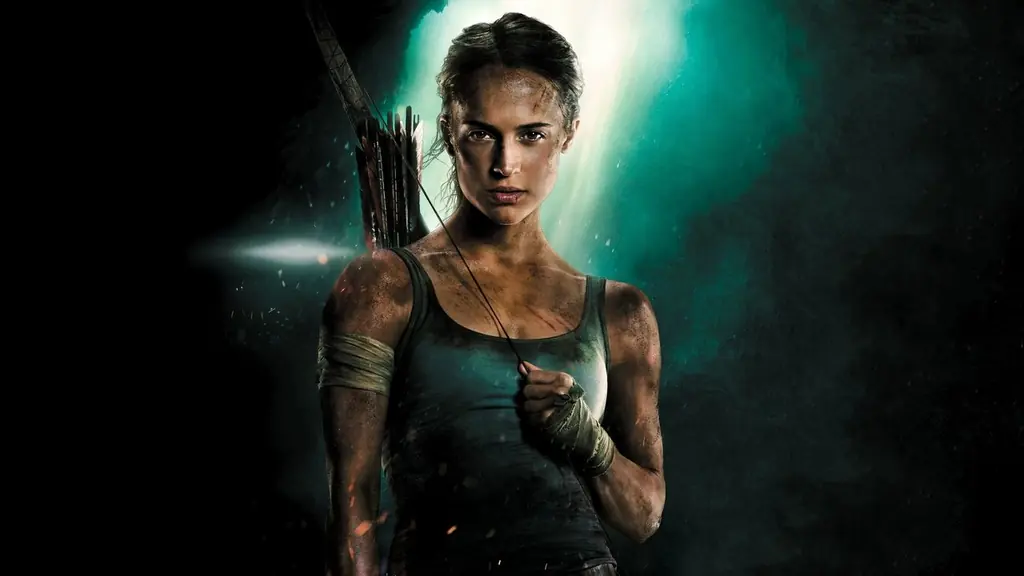
Alicia Vikander truly embodies Lara Croft, portraying her not as an immediate superhero, but as someone with something to prove, driven by a personal quest. Her journey from a street-smart courier to a budding adventurer is genuinely engaging. The film delivers several standout action sequences that elevate it above typical genre fare. The rusted ice plane scene, in particular, is a thrilling highlight, reminiscent of the best moments from the Uncharted game series. These intense sequences, where Lara Croft is constantly on the run, grabbing ledges, and narrowly escaping collapsing environments, are executed with a visceral energy that keeps viewers on the edge of their seats. While not constant, their impact is undeniable, showcasing a raw, desperate fight for survival.
Cameos, Nostalgia & Narrative Stakes
However, the narrative isn't without its stumbles. A pivotal plot point late in the film draws sharp criticism for its sheer unbelievability, feeling jarringly out of place in an otherwise grounded story. It's a moment that unfortunately pulls the film back into the very "video game movie" tropes it seemed so keen to avoid. On a more positive note, the film thoughtfully addresses Lara Croft's first kill, portraying it with a brief but impactful moment of hesitation and consequence, adding a layer of character depth that is often missing in action heroes. Yet, the central mythology driving the treasure hunt, while not entirely unbelievable in concept, struggles to convince the audience that the characters themselves genuinely believe in its reality. Despite these narrative bumps, the film sprinkles in subtle nods to classic adventure cinema, with echoes of Indiana Jones and the Last Crusade and even The Rock (the movie, not the person), demonstrating that all art is inspired by what came before.
Tone, Direction & Creative Freedom
Under the direction of Roar Uthaug, Tomb Raider largely succeeds in maintaining a serious, grounded tone. The film takes itself seriously, and its cast, including Walton Goggins as the antagonist Mathias Vogel, delivers performances that match this commitment. The cinematography often reflects this gravitas, creating a visually compelling world. However, the pacing does experience a noticeable dip once Lara Croft reaches the island, momentarily losing some of the initial momentum. Despite this, the film largely recovers, demonstrating a commendable effort to craft a respectful and engaging adaptation, moving beyond the often-derided reputation of video game movies.
The Final Verdict
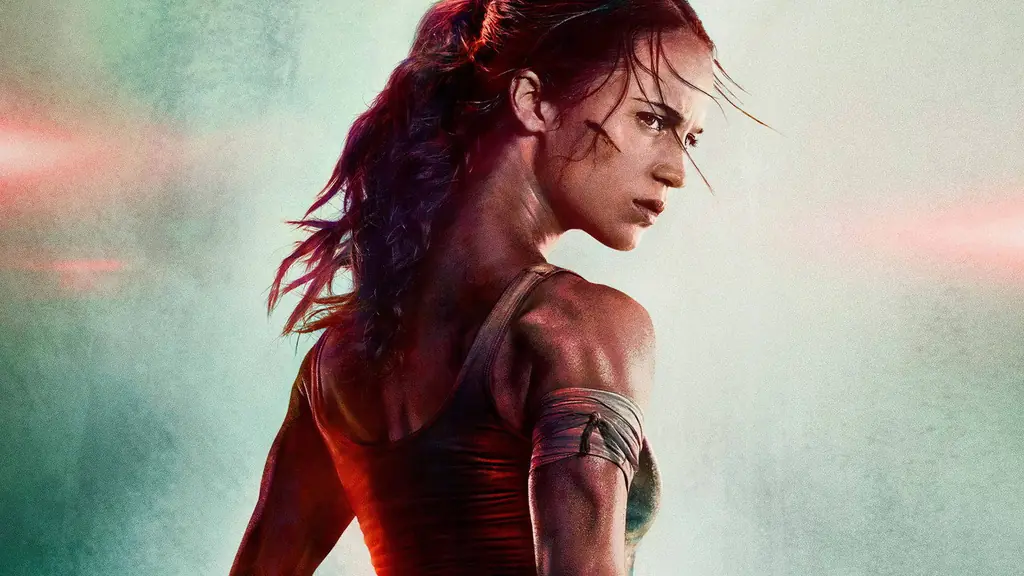
Ultimately, Tomb Raider marks a significant step in the right direction for video game adaptations. While it grapples with some pacing issues, a questionable plot turn, and a mythology that doesn't quite land, the film offers a substantial amount of enjoyment. Its commitment to a more serious, character-driven approach, coupled with genuinely thrilling action sequences and a strong lead performance from Alicia Vikander, makes it a worthwhile watch. It's a film that, despite its flaws, manages to carve out its own identity and provide a solid foundation for future adventures.
What Worked
- Alicia Vikander's grounded portrayal of Lara Croft
- Thrilling and intense action sequences (e.g., rusted ice plane)
- Serious, respectful tone for a video game adaptation
- Thoughtful handling of Lara Croft's first kill
- A step in the right direction for the genre
What Didn't Work
- Unbelievable, "video game-like" plot point
- Pacing dips significantly on the island
- Unconvincing central mythology
- Some character and plot issues