Introduction
From the moment the lights dim, Tower Heist sets its stage in the opulent world of a high-rise New York City apartment building, where Ben Stiller plays the meticulous manager of an exclusive hotel. His world, and that of his dedicated staff, revolves around the penthouse resident, Alan Alda, a billionaire whose charm initially masks a darker truth. Audiences are quickly drawn into a classic setup: the seemingly benevolent rich guy who turns out to be a financial swindler, leaving a trail of devastated investors in his wake. The film wastes no time establishing the stakes, as Alan Alda's character is revealed to have pilfered the life savings of those who trusted him, including Ben Stiller and his loyal crew. This betrayal ignites a fiery resolve among the blue-collar workers, setting them on a path to reclaim what was stolen, not through legal channels, but through an audacious, high-stakes heist. The premise alone promises a thrilling ride, tapping into a universal fantasy of ordinary people taking back from the powerful elite.
The Lead Dynamic & The Action
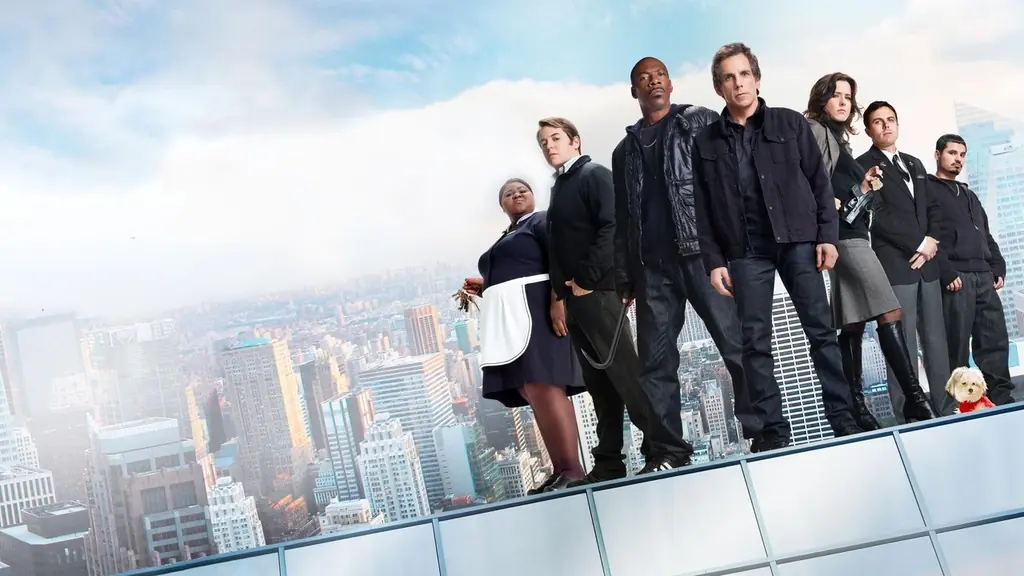
The heart of Tower Heist beats strongest in the unexpected dynamic between its ensemble cast, particularly with the arrival of Eddie Murphy. Many might have approached the film with skepticism regarding his involvement, anticipating an over-the-top performance. Yet, to the surprise of many, Eddie Murphy emerges as one of the film's standout elements. His presence, while impactful, never overshadows the core narrative or the other performers, striking a balance that elevates the comedic and strategic aspects of the heist. The crew, initially out of their depth in the world of professional thievery, realizes they need an expert. This leads them to Eddie Murphy's character, a seasoned criminal whose street smarts are meant to guide their amateur efforts. While the chemistry among the cast is palpable, the film occasionally stumbles in its execution of the heist itself. There are moments where the plot stretches credulity to its breaking point, leading to scenes that feel "choppy" or simply "wouldn't work" in any semblance of reality. A prime example cited by many is the guard distracted by a Playboy magazine for an implausibly long duration, completely neglecting his duties. Such instances pull the audience out of the immersion, reminding them that while fun, the film prioritizes entertainment over airtight realism. Despite these narrative shortcuts, the ensemble, including Ben Stiller, Matthew Broderick, and the rest of the crew, delivers performances that keep the energy high and the audience invested in their audacious plan.
Cameos, Nostalgia & Narrative Stakes
The narrative stakes in Tower Heist are refreshingly clear: a group of wronged individuals, the "blue-collar people," are seeking justice against the "rich douchebag" who defrauded them. This relatable motivation grounds the otherwise fantastical heist plot, making the audience root for the underdogs. The film cleverly plays on the desire for retribution against financial elites, a theme that resonates deeply. However, the inclusion of certain elements, particularly Eddie Murphy's character, raises questions about narrative necessity versus creative preference. While his performance is lauded, some might ponder if the crew truly needed his expertise, or if his presence was more a directorial choice by Brett Ratner, perhaps driven by a fondness for his past collaborations or a desire to inject a specific comedic energy. It feels almost as if Brett Ratner simply "wanted" Eddie Murphy in the film, regardless of whether the plot absolutely demanded it. This isn't necessarily a flaw, as it contributes to the film's overall enjoyable, if slightly implausible, tone. The film balances its fan-service elements with a genuine desire to tell a story of comeuppance, ensuring that while the plot might bend reality, the emotional core of seeking justice remains intact.
Tone, Direction & Creative Freedom
Under the direction of Brett Ratner, Tower Heist embraces a tone that is unequivocally fun, even at the expense of realism. The film never pretends to be a gritty, hyper-realistic heist thriller akin to Ocean's Eleven or The Italian Job. Instead, it leans into its comedic strengths, delivering a lighthearted romp that prioritizes laughs and thrills over logical consistency. This creative freedom, perhaps granted by a director known for his distinctive style, allows the film to indulge in its more outlandish plot points without apology. The pacing is generally brisk, keeping the audience engaged despite the occasional narrative leap. While some might find the lack of realism a detractor, the film's commitment to being an entertaining spectacle is undeniable. It's a movie that asks its audience to suspend disbelief and simply enjoy the ride, a testament to Brett Ratner's ability to craft an enjoyable, if not critically profound, cinematic experience. The film's success lies in its ability to deliver a "good time," a quality that often outweighs minor narrative imperfections for many viewers.
The Final Verdict
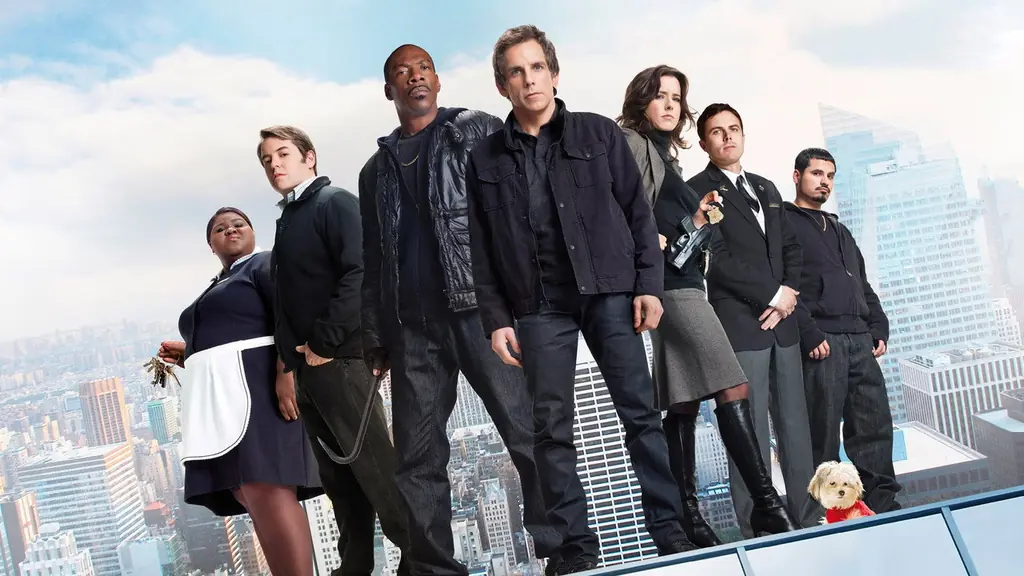
Ultimately, Tower Heist delivers on its promise of a "good time." It's a film that, while not destined to be remembered as a genre classic, provides solid entertainment for a weekend viewing. Despite its "choppy" moments and a distinct lack of realism, the sheer enjoyment derived from watching this ensemble cast, particularly the surprisingly effective Eddie Murphy, makes it a worthwhile watch. It’s the kind of movie that proves you don't need alcohol to have a good time; sometimes, a well-intentioned, if slightly flawed, heist flick is all you need.
What Worked
- Eddie Murphy's surprisingly effective performance
- Engaging premise of underdogs seeking justice
- Overall fun and entertaining experience
- Strong ensemble cast chemistry
- Lighthearted and unpretentious action-comedy
What Didn't Work
- Frequent unrealistic plot points and "choppy" scenes
- Not as sophisticated as other heist films
- Lacks long-term memorability
- Some narrative choices feel forced for comedic effect