Introduction
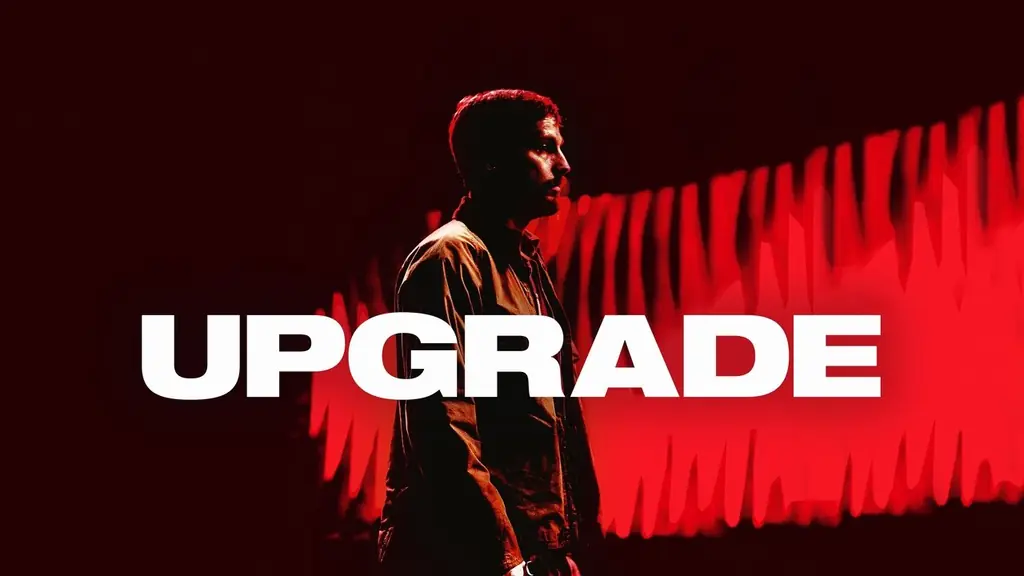
From the moment the first trailer dropped, anticipation for Upgrade was palpable. This Blumhouse production, helmed by director Leigh Whannell, plunges into a familiar revenge tale: a man's wife is brutally murdered, leaving him paralyzed. But here's the twist: a revolutionary chip, Stem, offers him the ability to walk again, albeit with a voice in his head, guiding him towards vengeance. It's a concept that promised a fresh take on a well-worn genre, and it largely delivers.
The Lead Dynamic & The Action
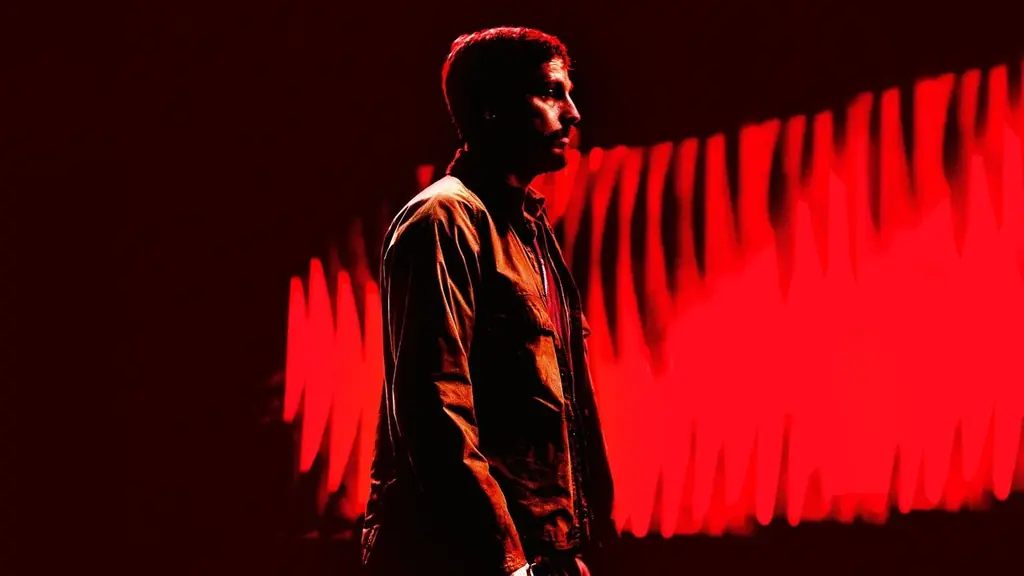
Logan Marshall-Green, initially drawing comparisons to Tom Hardy, quickly carves out his own identity, masterfully portraying the average guy grappling with profound loss, then transforming into a kick-ass war machine. The film excels in showcasing the internal conflict, with Marshall-Green's face conveying horror and reluctance even as his body executes brutal takedowns. This unique acting challenge, where the body acts independently of the mind, is pulled off with impressive conviction.
The action sequences are a highlight, described as a blend of "Robocop meets John Wick with Jarvis from Iron Man." The choreography is inventive and visceral, particularly the close-quarters combat where the protagonist's body moves with an almost unsettling precision. These moments are not just about violence; they're about the struggle for control and the unsettling partnership between man and machine.
Cameos, Nostalgia & Narrative Stakes
Upgrade breathes new life into the often-stale revenge narrative, elevating it beyond the likes of a "boring Death Wish." The entire experience feels akin to a live-action comic book, a world where outlandish villains with "guns for hands" fit right in. The film embraces its sci-fi premise, creating a future that feels both plausible and darkly imaginative.
While the henchmen are memorable, the main ringleader, surprisingly, looks more like "Kit from Napoleon Dynamite" than a typical menacing antagonist, which adds a weird, unsettling charm. However, a potential sub-arc for this character feels underdeveloped and somewhat wasted, leaving a desire for more depth in his motivations.
Tone, Direction & Creative Freedom
The film doesn't shy away from graphic violence, dispatching foes in visceral ways that are both shocking and impactful. Yet, it's unexpectedly funny, with the protagonist's snarky reactions to his newfound abilities adding a layer of dark humor that perfectly balances the brutality. This tonal tightrope walk is expertly managed by Leigh Whannell, who clearly had the creative freedom to push boundaries.
At its core, Upgrade explores the unsettling concept of relinquishing control, even over one's own body, to technology, no matter how benevolent the initial intent. It's a thought-provoking message woven seamlessly into a thrilling narrative, making the audience question the true cost of convenience and power.
The Final Verdict
Upgrade is a genuinely great time, a thrilling and inventive ride that rejuvenates a classic genre. It's graphic, violent, and surprisingly humorous, making it a must-watch for fans of unique action-thrillers. This is a film that delivers on its promise, offering a fresh, engaging, and unsettling vision of revenge in a technologically advanced world.
What Worked
- A fresh, revitalized take on the revenge genre.
- Inventive and brutal action sequences with a distinct visual flair.
- [[person:130253|Logan Marshall-Green]]'s compelling dual performance.
- Unexpectedly dark and snarky humor.
- Thought-provoking themes about technology and control.
What Didn't Work
- The main antagonist's character arc feels somewhat underdeveloped.
- Pacing can drag slightly in early segments.
- Its graphic violence may not appeal to all viewers.