Introduction
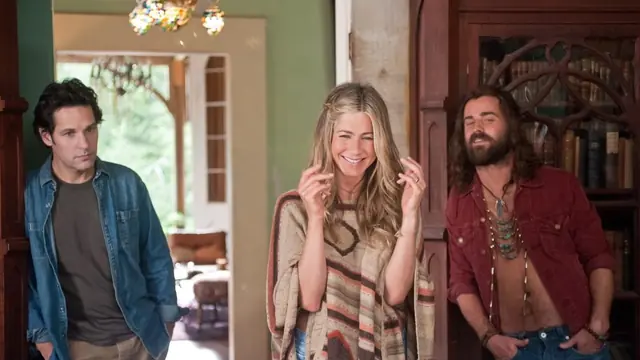
Forget the military, it's time for the hippies to shine! Wanderlust, the 2012 comedy starring Paul Rudd and Jennifer Aniston, promised a wild escape from the mundane. Audiences anticipated a hilarious journey as a New York couple, both suddenly jobless, embark on a road trip that unexpectedly leads them to a free-spirited commune. The initial thought? A "House of a Thousand Corpses" vibe, but with surprisingly nice people – a setup so idyllic it almost feels like a "Twilight Zone" twist. While it's neither heaven nor hell, this community, where everyone smokes weed, is vegan, and embraces open relationships, sets the stage for comedic gold.
The Lead Dynamic & The Action
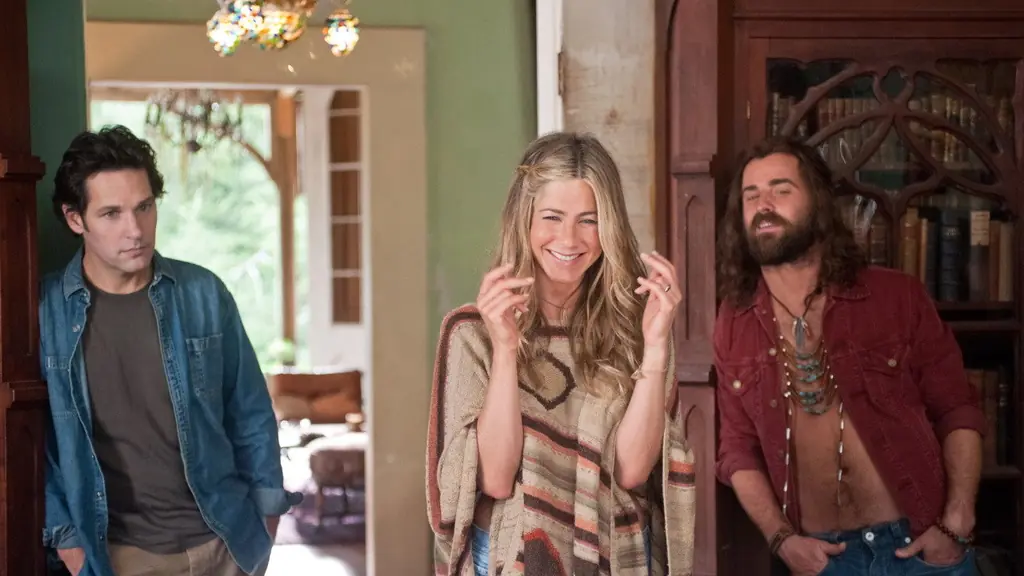
The film thrives on the "fish out of water" dynamic of its lead couple. Paul Rudd and Jennifer Aniston are perfectly cast as urbanites trying to navigate a world completely alien to them. They find themselves drawn to the lifestyle, yet clearly uncomfortable, mirroring the audience's own amusement at the culture clash. The entire ensemble cast, including Justin Theroux, Malin Akerman, and Kathryn Hahn, absolutely "kills it," bringing their eccentric characters to life in a wonderfully cartoony fashion that perfectly serves the film's tone. Paul Rudd, in particular, is in his element, delivering his signature awkward charm in a role that feels tailor-made for his comedic range.

Cameos, Nostalgia & Narrative Stakes
Beyond the central couple, the commune introduces a host of memorable, albeit sometimes irritating, personalities. A standout is the "hipster douchebag" character, intentionally crafted to get under the audience's skin. This character, initially appearing affable, quickly reveals himself to be a morally superior irritant – a deliberate choice that connects with viewers who recognize such types. The film expertly uses these characters to highlight the absurdity of the situation, ensuring that even the annoying elements serve a comedic purpose. The narrative stakes revolve around whether the couple will fully embrace this new, unconventional life or return to their old responsibilities, creating a relatable tension for anyone who's ever fantasized about escaping the daily grind.
Tone, Direction & Creative Freedom
David Wain's direction ensures Wanderlust is "funny as hell," even if its humor can sometimes be "annoying and in your face." The film isn't afraid to challenge conventional sensibilities, occasionally feeling like it's playfully chastising the audience for their "normal" lives. However, this bold approach ultimately works, thanks to the committed performances and clear comedic vision. The movie also embraces its R-rating with a surprising amount of explicit content, including various forms of male nudity – "big ones, small ones, old ones, creepy ones, frightening ones." This uninhibited display is a significant part of the film's audacious charm, though it comes with a clear warning for the "sensitive side."
The Final Verdict
Wanderlust is a genuinely good time, delivering consistent laughs without needing any artificial enhancements. It's a well-acted, funny film where even the characters designed to annoy you succeed in their purpose, making the entire experience cohesive and enjoyable. While its explicit content and sometimes aggressive humor might not be for everyone, those who appreciate a bold, uninhibited comedy will find plenty to love in this quirky commune adventure.
What Worked
- Paul Rudd and Jennifer Aniston are perfectly cast as "fish out of water."
- The ensemble cast delivers hilarious, committed performances.
- Genuinely funny with consistent laughs throughout.
- Intentionally annoying characters serve a comedic purpose.
- Explores the fantasy of escaping modern obligations.
What Didn't Work
- Humor can be "in your face" and occasionally annoying.
- Explicit male nudity may be off-putting for some viewers.
- Certain characters are designed to be irritating.
- The film can feel preachy at times about lifestyle choices.