Introduction
Forget everything you thought you knew about zombie romances, especially if your mind immediately drifts to sparkly, brooding vampires. Warm Bodies arrives as a refreshing, if undeniably cheesy, antidote to the typical undead love story. While the premise—a romance between a girl and a rotting corpse amidst a zombie apocalypse—might sound like a setup for a "Twilight with zombies" comparison, this film quickly proves it has more brains than brawn, offering a surprisingly believable and endearing take on an impossible connection.
The Lead Dynamic & The Action
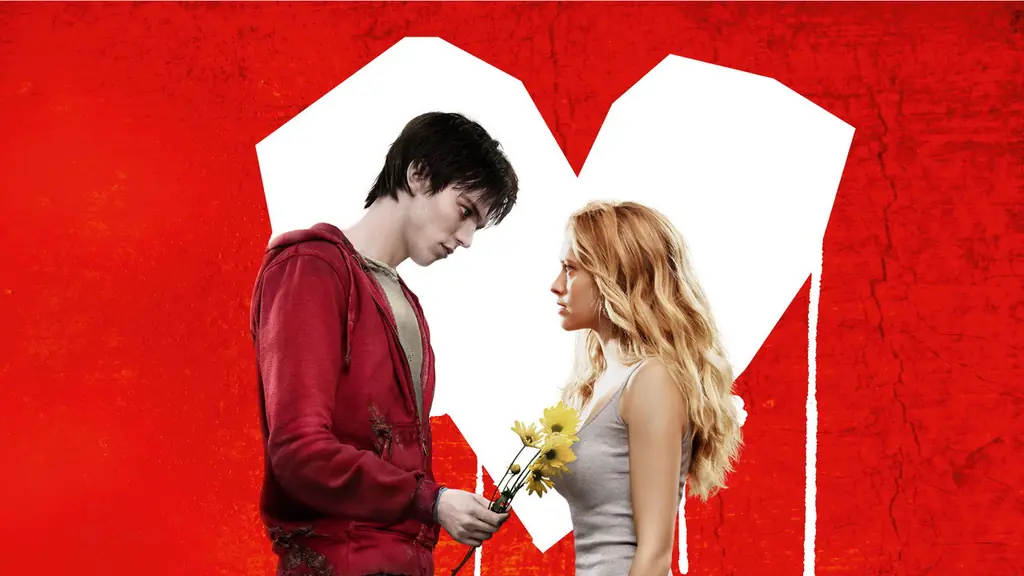
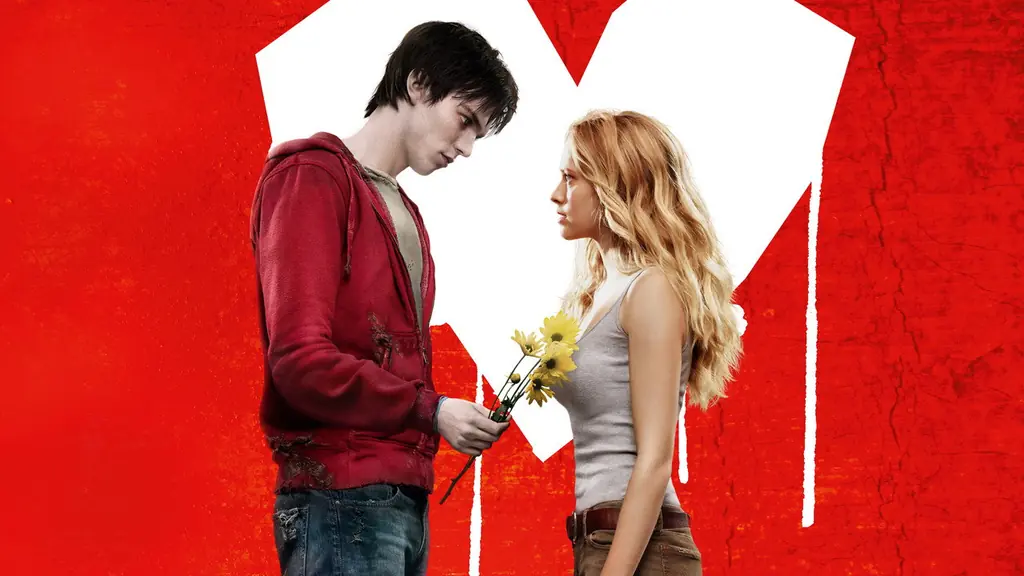
At the heart of Warm Bodies is R, a zombie with an active inner monologue, brilliantly brought to life by Nicholas Hoult. His narration guides us through the desolate, post-apocalyptic world, revealing a cognitive awareness that challenges the notion of mindless monsters. When he encounters Julie, played by Teresa Palmer, a spark ignites—or rather, a flicker of humanity. Their relationship blossoms from an unlikely captivity into a genuinely sweet, symbiotic bond. As R spends more time with Julie, he feels more human, and she, in turn, begins to see beyond the monstrous exterior. The film cleverly injects humor into this dynamic, particularly through R's best friend, M (a hilarious Rob Corddry), proving that even the undead can appreciate a good laugh.
Cameos, Nostalgia & Narrative Stakes
While the central romance is the main draw, the film also introduces the "Boneys"—a more advanced, truly evil form of zombie—to provide a common threat for humans and evolving zombies alike. However, these antagonists feel somewhat shoehorned in, existing primarily to serve a singular plot point rather than organically developing the narrative. On the human side, John Malkovich delivers a perfectly cast performance as Julie's hardened, zombie-hating father. His "waste all zombies, NRA badass" persona grounds the human resistance with a much-needed dose of intensity. The film, however, struggles to fully commit to a single genre. It's part zombie apocalypse, part romance, part action, and part comedy, resulting in a collection of "pretty good" pieces rather than one definitive, awesome whole.
Tone, Direction & Creative Freedom
Under the direction of Jonathan Levine, known for "50/50," Warm Bodies manages to infuse its fantastical premise with unexpected substance. It embraces its rom-com nature, arriving around Valentine's Day with a self-awareness that allows for its inherent cheesiness to be part of its charm. The film isn't meant to be taken with absolute seriousness, yet it maintains enough narrative integrity to prevent it from devolving into a full-blown parody. It strikes a delicate balance, never quite becoming the next "Zombieland" or "Shaun of the Dead," but carving out its own unique niche.
The Final Verdict
Ultimately, Warm Bodies is an enjoyable, cute, and funny experience that far exceeds expectations. It's a surprisingly good time, offering a fresh perspective on the zombie genre by focusing on empathy and the power of connection. While it might not be a groundbreaking cinematic achievement, it's a delightful diversion that proves a romance between a girl and a zombie can be genuinely heartwarming. If you're looking for an unconventional love story with a pulse (or lack thereof) and a good sense of humor, this film is a pleasant, unexpected treat.
What Worked
- Offers a fresh and empathetic perspective on the zombie apocalypse.
- Features a surprisingly charming and believable central romance.
- Injects witty humor, especially through the zombie protagonist's inner thoughts.
- Showcases a strong, perfectly cast performance from John Malkovich.
- Delivers an unexpectedly enjoyable and engaging viewing experience.
What Didn't Work
- Struggles to fully commit to a single genre, feeling a bit fragmented.
- The "Boneys" antagonists feel like a convenient, underdeveloped plot device.
- Internal logic regarding the zombie's cognitive abilities can be inconsistent.
- Embraces some rom-com cheesiness that might not appeal to all viewers.