Introduction
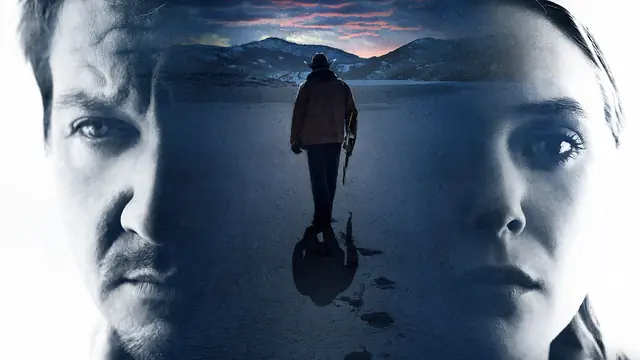
Sometimes, the best way to experience a film is to go in completely blind. That's precisely the journey many took with Wind River, a film that arrived with little fanfare but left a profound impact. Penned and directed by Taylor Sheridan, known for his sharp, gritty narratives in "Sicario" and "Hell or High Water," the anticipation was for another taut thriller. What audiences discovered was an unsettling, deeply resonant story, reportedly "based on true events," that pulls no punches in its portrayal of a harsh reality.
The Lead Dynamic & The Action
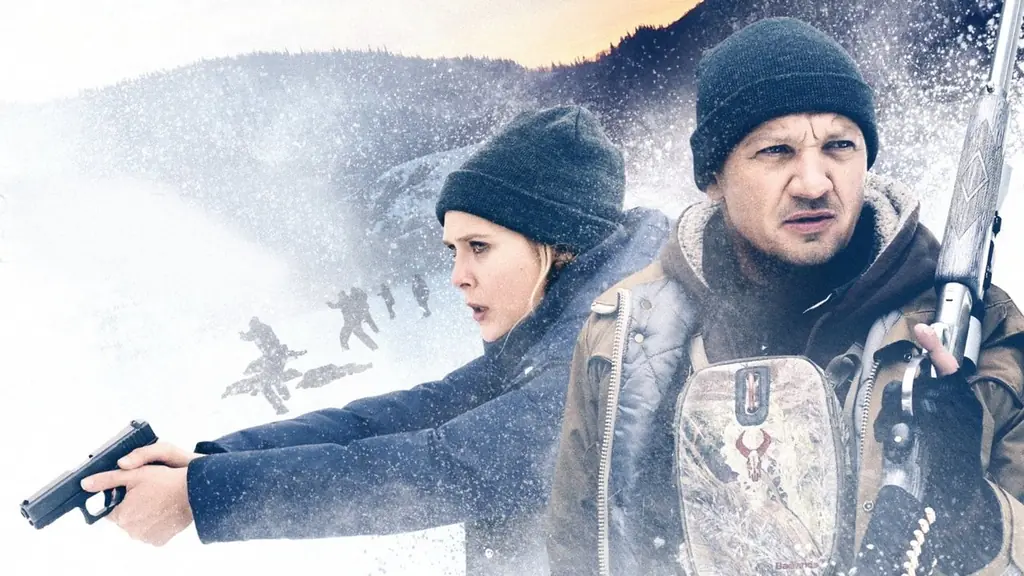
At the heart of this chilling mystery are two compelling performances. Jeremy Renner takes on the role of a seasoned tracker on the Wind River Indian Reservation, a man whose efficiency in the brutal landscape is almost unnerving. He's a hunter called upon to deal with threats to livestock, but his expertise soon shifts to a far more tragic hunt. Enter Elizabeth Olsen as a green FBI agent, thrust into an unfamiliar, unforgiving environment. Their dynamic is less about her leading the investigation and more about his quiet, almost instinctual guidance. Jeremy Renner delivers an excellent, understated performance, showcasing a dramatic depth that stands out even in his impressive filmography. While the film isn't packed with traditional action set pieces, the "manhunt" itself is portrayed with a stark, brutal realism that keeps viewers on edge.
Cameos, Nostalgia & Narrative Stakes
While it's noted that "two Avengers" are in this movie, Wind River quickly sheds any blockbuster expectations, focusing instead on its grim narrative. The film masterfully illustrates the cultural barriers and isolation of the reservation, painting a picture of a place where outside help is often unwelcome or insufficient. The narrative stakes are raised significantly by a particularly impactful scene involving a pathologist. The inability to legally classify a death as homicide, despite clear evidence of foul play, because the victim ultimately froze to death, is a "shitty reality bomb." This legal loophole prevents the FBI from fully engaging, highlighting a systemic failure that makes the film feel less like a fictional story and more like a window into a harsh, unvarnished truth. The pacing is deliberate, building a "great murder mystery" that prioritizes realism over sensationalism.
Tone, Direction & Creative Freedom
Taylor Sheridan's direction is nothing short of fantastic, crafting a tone that is consistently unsettling and unapologetically gritty. The film embraces the harshness of its setting, making the environment itself a character. There's a palpable sense of dread throughout, particularly in an "uncomfortable scene where you know shit's gonna go wrong," which leaves a lasting impression. This isn't a comfortable watch, but its "special yet bitter kind of thing" is precisely what makes it so effective. The film feels like a director given the freedom to tell a difficult story with integrity, resulting in a powerful and memorable cinematic experience.
The Final Verdict
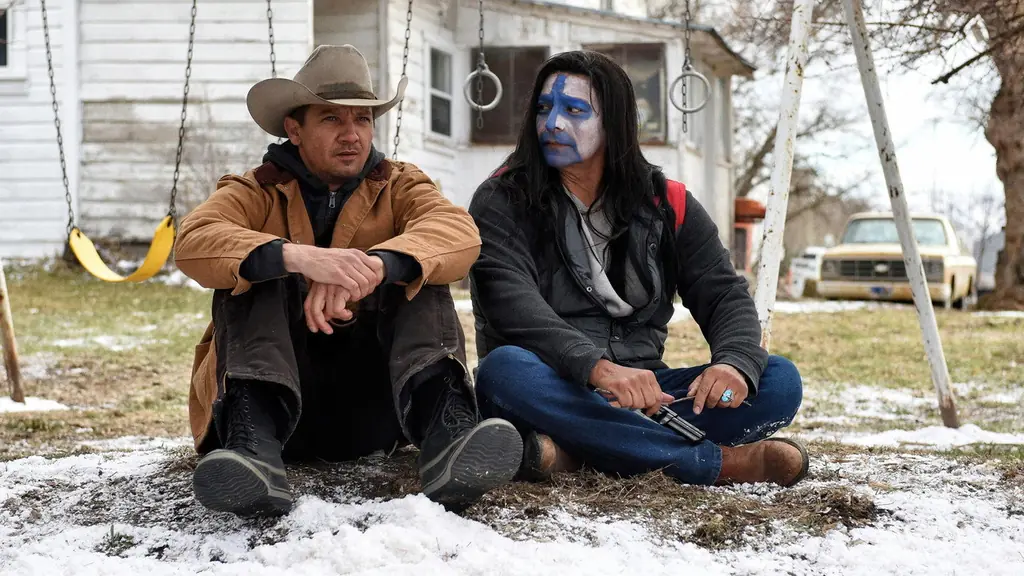
Wind River is an excellent, well-done film that demands attention. It's a raw, impactful murder mystery spearheaded by a man driven by a quiet, realistic pursuit of justice. While it might not be a film one rushes to rewatch multiple times due to its heavy subject matter, its quality is undeniable. It's a powerful, thought-provoking experience that resonates long after the credits roll, making it a definite recommendation for those seeking a profound and expertly crafted thriller.
What Worked
- A gripping, realistic murder mystery.
- Exceptional, understated performance from Jeremy Renner.
- Powerful and unsettling portrayal of a harsh reality.
- Superb direction and storytelling from Taylor Sheridan.
- Illustrates cultural barriers and isolation with impact.
What Didn't Work
- The subject matter is intensely grim and emotionally heavy.
- Not a film for those seeking light entertainment.
- Some viewers may find the ending emotionally draining.