Introduction
As the cinematic world braced for a wizarding showdown, a different kind of magic quietly arrived: Winnie the Pooh. This charming return to the Hundred Acre Wood aimed squarely at the youngest of audiences, alongside those who simply adore Tigger. It’s a gentle journey back to the heart of childhood, unfolding entirely within Christopher Robin’s vivid imagination.
The Lead Dynamic & The Action
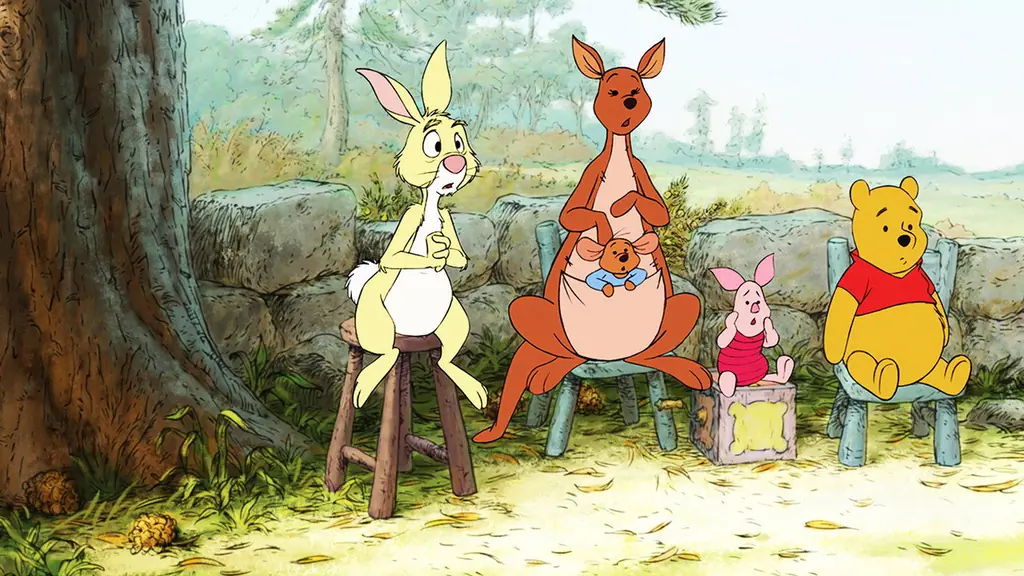
At its core, the film centers on the endearing quirks of its beloved inhabitants. There’s Jim Cummings's Winnie the Pooh, perpetually driven by his insatiable quest for honey – a charming obsession that the reviewer playfully likens to an addiction. Then there's Bud Luckey's Eeyore, the perpetually gloomy donkey whose melancholic outlook is so universally recognized, everyone knows "an Eeyore" in their own life. The plot itself is delightfully straightforward: Pooh seeks honey, and Eeyore misplaces his tail. This simplicity is a deliberate choice, a safe haven in a landscape of increasingly complex children's entertainment. Disney, it seems, consciously returned to its 1960s roots, crafting a film so unequivocally G-rated that parents can rest assured there are no hidden innuendos or mature jokes flying over kids' heads. It’s pure, unadulterated innocence.

Cameos, Nostalgia & Narrative Stakes
While the film undoubtedly taps into a wellspring of nostalgia for many parents, its appeal is primarily generational. For those who didn't grow up with Pooh, the connection might be less visceral, yet the film's intent is clear: to provide wholesome entertainment. In an era where cartoons often push boundaries, Winnie the Pooh stands as a refreshing counterpoint, prioritizing gentle lessons and simple joys over modern complexities. The narrative stakes are low, focusing on the everyday adventures and friendships within the Hundred Acre Wood, a stark contrast to the high-octane narratives prevalent elsewhere.
Tone, Direction & Creative Freedom
Under the direction of Don Hall, the film maintains a consistently gentle and unhurried pace. Its brief, hour-long runtime makes it a "relatively painless" viewing experience, even for those with shorter attention spans. The reviewer notes that it could have easily premiered on television, highlighting its accessible and comforting nature. This isn't a film striving for grand cinematic statements; it's a warm, familiar hug. It offers a refreshing alternative to more frenetic media, presenting the Pooh gang as positive role models – a welcome change from the likes of Peter Griffin, as humorously suggested.
The Final Verdict
For what it is, Winnie the Pooh delivers a genuinely good time. It’s a "great movie for kids," especially those in kindergarten and below, offering a safe and sweet escape. While older viewers might find its gentle pace a touch slow at times, its charm and innocence are undeniable. Families looking for a wholesome, uncomplicated film to share with their little ones will find much to appreciate in this delightful return to a beloved classic. It’s a reminder that sometimes, the simplest stories are the most enduring.
What Worked
- Perfectly G-rated and safe for very young children.
- Charming, simple plot focused on friendship.
- Relatable characters like the melancholic Eeyore.
- Nostalgic appeal for parents.
- Short, digestible runtime.
What Didn't Work
- May be boring for older children or adults.
- Very low narrative stakes.
- Lacks the "innuendos" or layered humor found in some modern animation.
- Pacing can feel slow for some viewers.