Introduction
When World War Z first hit screens, anticipation was high for a blockbuster take on the zombie apocalypse. From the opening frames, the film plunges audiences into the initial chaos and anarchy of a global outbreak. It captures those terrifying first few days with a visceral realism, showing people freaking out, looting stores, and the world descending into pandemonium. This immediate, ground-level perspective on the collapse of society is where the film truly shines, pulling viewers into the heart of the crisis.
The Lead Dynamic & The Action
Brad Pitt leads the charge as Gerry Lane, a former UN investigator tasked with traveling the globe to uncover the source of the infection and, hopefully, a cure. His journey is a relentless series of close calls and escalating threats. While some early trailers hinted at overly CGI-heavy sequences, the film manages to blend moments of impressive visual effects with others that feel a bit less convincing. However, the sheer scale of the zombie hordes often overshadows these minor quibbles, delivering a truly overwhelming sense of dread.
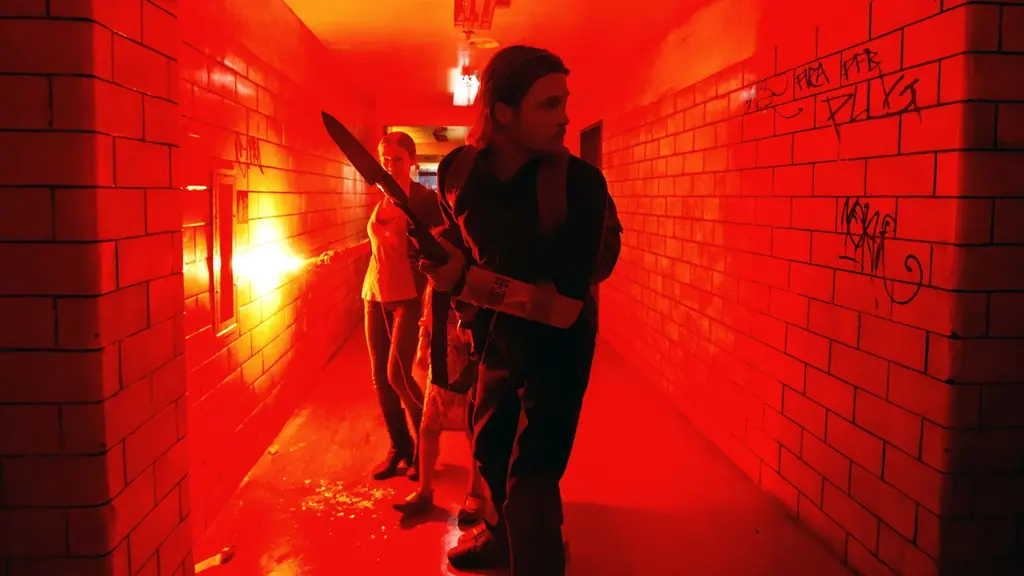
The action sequences are a mixed bag, but certain moments stand out. The film's undeniable highlight arrives midway through, showcasing zombies piling up on each other like a grotesque, living ant colony, scaling walls with terrifying speed. This sequence alone is a masterclass in escalating tension and remains the most memorable visual of the entire film. Beyond the large-scale chaos, the movie also excels in quieter, more suspenseful moments, particularly a segment where characters navigate dark hallways, reminiscent of the intense, motion-sensor-driven dread of Aliens. These scenes prove that high-stakes intensity doesn't always require massive explosions or endless gunfire.
Cameos, Nostalgia & Narrative Stakes
Despite its thrilling moments, Marc Forster's direction struggles with a "rinse and repeat" narrative structure. Gerry Lane arrives at a location, finds a semblance of order, the situation inevitably collapses, and he's forced to flee to the next destination. This formula, while providing varied backdrops, ultimately makes the overarching plot feel episodic and predictable. The film also introduces Gerry's family, including his wife Mireille Enos, ostensibly to give him something to fight for. Yet, their presence feels largely unutilized, serving primarily as a distant motivation rather than an integral part of the unfolding drama. Their impact on the core narrative is minimal, leaving a sense of missed opportunity for deeper emotional stakes.
Furthermore, the film takes significant liberties with its source material, the acclaimed novel by Max Brooks. While some adaptations successfully deviate from their literary origins, World War Z's departure might leave fans of the book feeling disconnected from the story they know. The ending, in particular, feels less like a grand conclusion and more like a gradual winding down, building to a crawl before montaging to an abrupt finish. It leaves a lingering sense of unfulfillment, as if the story simply ran out of steam rather than reaching a decisive climax.
Tone, Direction & Creative Freedom
For a PG-13 rating, World War Z manages to deliver a surprising amount of intensity and visceral thrills. While some viewers might crave the unbridled gore of an R-rated zombie flick, the film navigates its certification effectively, focusing on the sheer scale and speed of the undead threat. A refreshing aspect, often overlooked in modern zombie narratives, is the film's willingness to actually call its antagonists "zombies." In an era where "infected," "walkers," or "runners" are the norm, hearing the "Z-word" used freely is a small but welcome nod to genre tradition, reinforcing its identity as a true zombie film.

The Final Verdict
World War Z is a wild ride that delivers on the promise of a global zombie outbreak, especially in its chaotic early moments and one truly iconic zombie pile-up. While it stumbles with a repetitive plot structure, an underdeveloped family subplot, and an anticlimactic ending, it remains a genuinely good time for anyone who loves the genre. It might not redefine zombie cinema, but it offers enough thrills and intense sequences to satisfy the zombie fanatic looking for a large-scale, action-packed adventure.
What Worked
- Captures the initial chaos and anarchy of a global outbreak with visceral realism.
- Features an iconic and intense scene of zombies piling up like ants.
- Delivers suspenseful, dark hallway sequences reminiscent of classic sci-fi horror.
- Respectfully uses the term "zombies" instead of generic alternatives.
- Provides a good time for zombie fanatics despite its flaws.
What Didn't Work
- Suffers from a repetitive "rinse and repeat" narrative structure.
- Brad Pitt's family subplot feels underdeveloped and largely inconsequential.
- The ending feels anticlimactic, building to a crawl rather than a satisfying climax.
- Some CGI moments appear less convincing, detracting from immersion.
- Significantly deviates from the acclaimed source material, potentially alienating book fans.