Introduction
From the moment the concept of a video game world akin to "Toy Story" emerged, anticipation for Wreck-It Ralph was palpable. Audiences, especially those steeped in gaming culture, eagerly awaited a parade of pixelated cameos and nostalgic nods. While the film certainly delivers on the Easter egg front, it quickly establishes itself as something far more substantial than a mere fan-service showcase. It's a genuine narrative about a villain seeking a new identity, a journey that resonates deeply, much like the beloved animated classic it's often compared to.
The Lead Dynamic & The Action
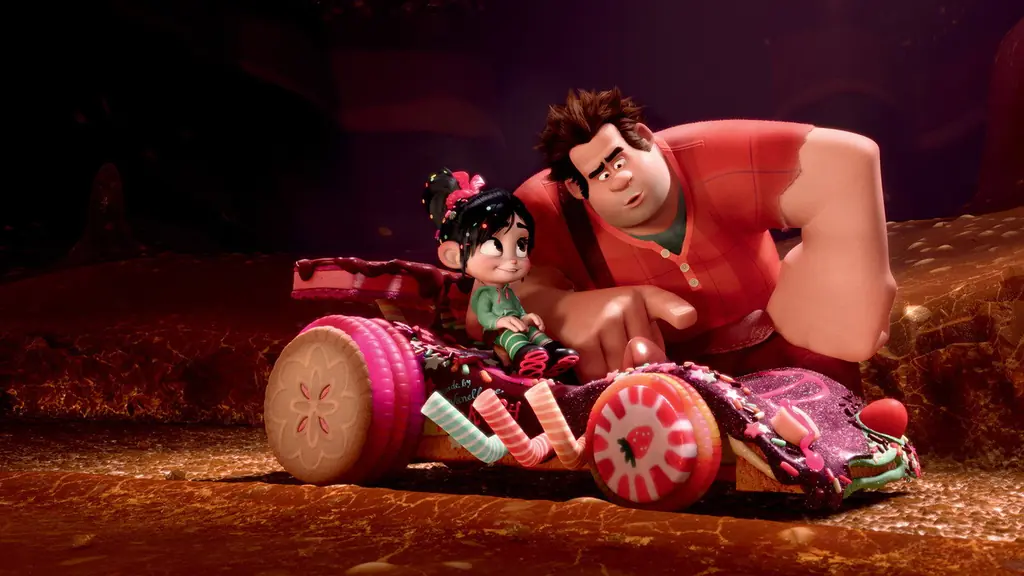
The heart of Wreck-It Ralph beats strongest in the unexpected dynamic between its titular character, voiced by John C. Reilly, and the feisty Vanellope von Schweetz, brought to life by Sarah Silverman. Initially, Vanellope's character is designed to be, well, annoying—not just to Ralph, but to the audience. This deliberate choice, however, proves to be a stroke of genius. The film masterfully navigates this initial irritation, transforming it into genuine affection and understanding. What begins as a grating presence evolves into a deeply empathetic connection, making viewers feel almost guilty for their initial judgment. This emotional arc is a testament to the film's surprising depth, elevating it beyond typical animated fare and providing moments that are genuinely touching.
Cameos, Nostalgia & Narrative Stakes
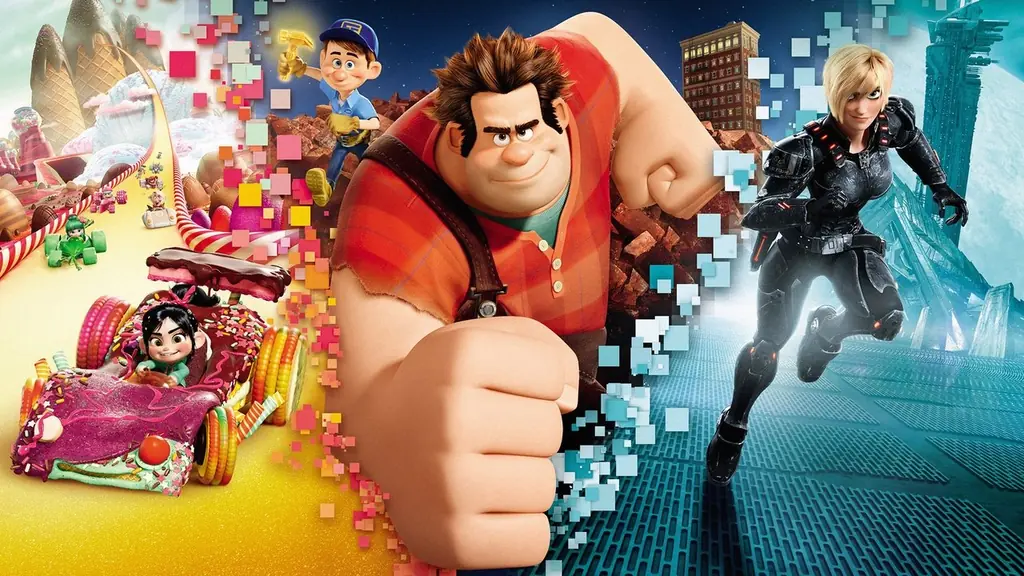
For gamers, the promise of seeing iconic characters like Clyde the Pac-Man ghost, Bowser, and Bison sharing the screen is a major draw. Wreck-It Ralph sprinkles these references throughout, offering plenty of "oh dude, look at that!" moments for eagle-eyed fans. However, the film wisely understands that nostalgia, while fun, cannot sustain a story. While some might have hoped for more extensive "game hopping" across various arcade worlds, the narrative largely settles into one primary setting—a vibrant, candy-coated realm that feels like a mash-up of Candyland and Mario Kart. This focus allows the film to develop its core characters and plot without getting bogged down in an endless parade of cameos, ultimately delivering a more solid and coherent story.
Tone, Direction & Creative Freedom
Under the direction of Rich Moore, Wreck-It Ralph strikes a delicate balance between humor, adventure, and unexpected emotional gravitas. The film isn't afraid to slow down its pace in the middle section, allowing for character development and the exploration of deeper themes. This willingness to delve into emotional territory, rather than just relying on frantic action or constant gags, is a significant strength. It's a film that surprises with its heart, proving that even a story about arcade game characters can achieve genuine emotional resonance. The creative freedom afforded to the filmmakers is evident in how they craft a world that feels both familiar and entirely new, pushing boundaries while honoring its retro inspirations.
The Final Verdict
Wreck-It Ralph is a delightful and surprisingly profound animated adventure. It transcends its initial premise of video game fan service to deliver a heartfelt story about belonging, friendship, and self-acceptance. While the middle might drag ever so slightly, and some might crave more extensive world-hopping, these are minor quibbles in an otherwise engaging and emotionally rich experience. It's a film that earns its comparisons to animated classics, establishing itself as a strong contender for a new, enduring franchise. This is one arcade game you'll want to play again and again.
What Worked
- A surprisingly deep and emotional story
- Excellent character dynamic between Ralph and Vanellope
- Clever and well-integrated video game Easter eggs
- Strong potential for a new animated franchise
- Engaging blend of humor, adventure, and heart
What Didn't Work
- The middle section of the film experiences a slight slowdown
- Less extensive "game hopping" than some viewers might expect
- Not a pure video game reference showcase, prioritizing story instead