Introduction
After a rocky road of uneven entries, the X-Men franchise needed a shot in the arm. Enter X-Men: First Class, a bold prequel helmed by Matthew Vaughn, promising to rewind the clock and explore the genesis of mutantkind's most iconic figures. Following the highs of the original two X-Men films and the subsequent stumbles of "X-Men: The Last Stand" and "X-Men Origins: Wolverine," anticipation was high for this new direction. Thankfully, this film doesn't just meet expectations; it smashes them, reminding audiences why they fell in love with these characters in the first place.
The Lead Dynamic & The Action
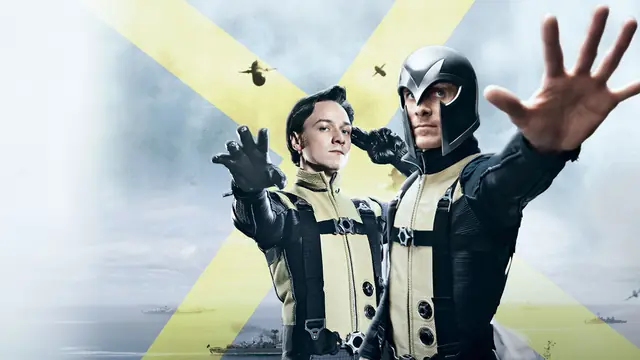
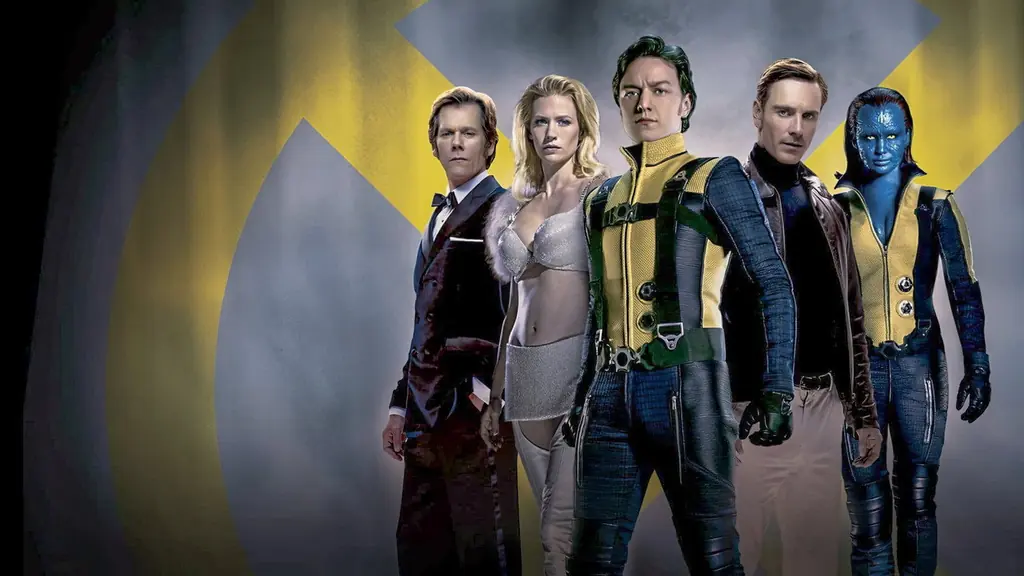
At the heart of First Class lies the electrifying dynamic between James McAvoy as a young Charles Xavier and Michael Fassbender as Erik Lehnsherr, destined to become Magneto. Their chemistry is the film's undeniable engine, a "yin and yang" partnership that feels authentic and deeply personal. McAvoy brings a fresh, surprisingly humorous side to Xavier, portraying him as a brilliant but still-developing individual who enjoys a good time. Fassbender, meanwhile, delivers a powerful, driven performance as Erik, whose quest for revenge against the nefarious Sebastian Shaw forms the emotional core of the narrative. It's a joy to watch their friendship blossom, even as the seeds of their inevitable ideological clash are subtly sown.
Speaking of villains, Kevin Bacon absolutely shines as Sebastian Shaw. He's a menacing presence, effortlessly portraying a character who is both charmingly sinister and genuinely terrifying. Bacon embraces the role with a swagger that makes Shaw a memorable antagonist, proving that he's far from a joke and can be a truly "badass villain."
The action sequences are equally impressive, delivering the kind of thrilling spectacle expected from an X-Men film. One standout is the formidable Azazel, whose teleportation-based fighting style is both unique and incredibly effective. Watching him zip around, striking opponents from unexpected angles, is like witnessing a "Scorpion in Mortal Kombat" scenario – you simply don't want to be on the receiving end. The film balances these explosive set pieces with quieter, character-driven moments, ensuring the pace never falters.

Cameos, Nostalgia & Narrative Stakes
Set against the backdrop of the 1960s Cuban Missile Crisis, the stakes in First Class have never felt higher. The threat of nuclear holocaust provides a tangible, real-world danger that elevates the conflict beyond typical superhero fare. This historical context grounds the fantastical elements, making the mutants' struggle to save humanity feel all the more urgent.
As a prequel, the film cleverly weaves in elements that connect to the broader X-Men universe, including a powerful recreation of Magneto's iconic childhood trauma. However, while it largely succeeds in establishing its own continuity, the film isn't entirely free from discrepancies when viewed alongside the original X-Men movies, particularly "X-Men 3" and "X-Men Origins: Wolverine." These minor inconsistencies are present, but they don't detract significantly from the overall experience, as the film largely carves out its own compelling narrative path.
Tone, Direction & Creative Freedom
Matthew Vaughn's direction is a masterclass in balancing tone. He injects the film with a vibrant energy, a sharp script, and a clear vision that feels both fresh and respectful of the source material. The dialogue is consistently cool, often witty, and always serves the characters. The film feels like a true summer blockbuster – exciting, engaging, and full of personality. It's clear that Vaughn was given the creative freedom to craft a story that is both personal and epic, resulting in a movie that feels genuinely inspired.
The Final Verdict
X-Men: First Class is a triumphant return to form for the franchise. It's a film that reminds audiences of the potential of these characters, delivering an "awesometacular" experience that rivals, and perhaps even surpasses, some of the series' best. With stellar performances, gripping action, and a compelling origin story, this is everything you could want in a superhero film. It's a personal story wrapped in an exciting package, proving that sometimes, going back to the beginning is exactly what's needed to move forward.
What Worked
- Electrifying chemistry between Charles Xavier and Erik Lehnsherr
- Stellar performances from James McAvoy, Michael Fassbender, and Kevin Bacon
- Thrilling and unique action sequences, especially Azazel's fighting style
- Engaging and witty dialogue with a fresh take on young Professor X
- High stakes narrative set against the Cuban Missile Crisis
What Didn't Work
- Minor continuity discrepancies with other X-Men films