Introduction
The hunt for Osama Bin Laden captivated the world for a decade, and when Zero Dark Thirty arrived, it promised an unprecedented look into the intelligence operation that brought down Public Enemy Number One. Directed by the acclaimed Kathryn Bigelow, this film was poised to be a definitive cinematic account, sparking intense anticipation for its realistic portrayal of one of modern history's most significant manhunts.
The Lead Dynamic & The Action
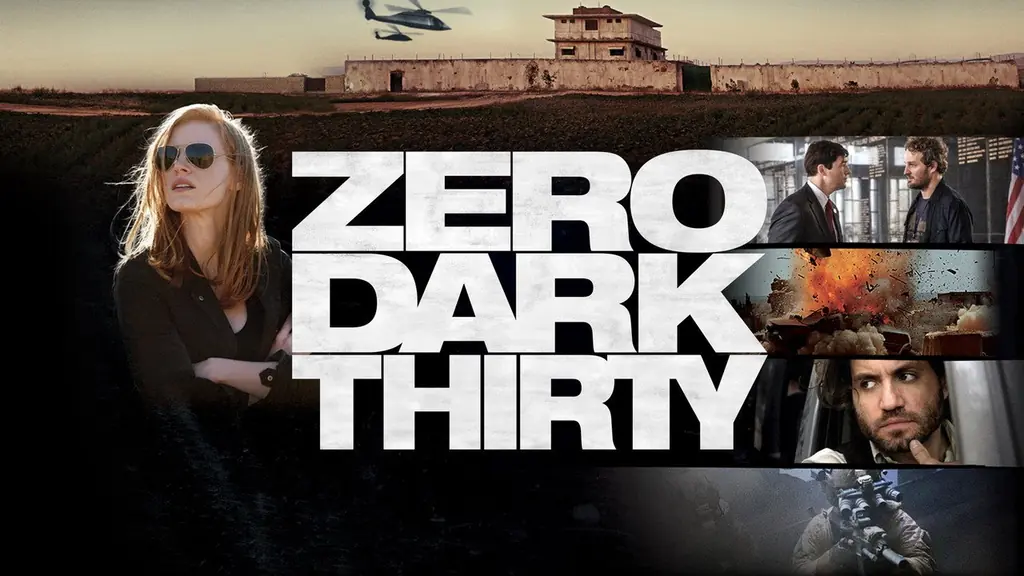
From the outset, it's clear that Zero Dark Thirty is the Jessica Chastain show. Her portrayal of Maya, a rookie CIA analyst who dedicates her life to tracking Bin Laden, is nothing short of phenomenal. She carries the entire narrative, evolving from an inexperienced agent to a hardened, relentless operative. This character arc is crucial, drawing viewers into her singular obsession. The film excels in its realistic depiction of the CIA's work – the painstaking desk research, the phone calls, and the paper trails. It’s a rare glimpse into the often-unseen efforts of intelligence officers, moving beyond the typical ground troop narratives. While other characters, like Jason Clarke's Dan, weave in and out, their development often takes a backseat to Maya's all-consuming quest, making them feel somewhat expendable despite their momentary impact.
Cameos, Nostalgia & Narrative Stakes
Zero Dark Thirty navigates a tightrope with its depiction of controversial interrogation techniques, including waterboarding. Rather than sensationalizing or condemning, the film simply presents these scenes as part of the intelligence-gathering process, a decision that Kathryn Bigelow handles with remarkable fidelity. This commitment to realism, however, extends to the film's pacing. Clocking in at two and a half hours, the narrative often unfolds through extensive office scenes, phone calls, and computer tracking. While this accurately reflects the drawn-out nature of a decade-long manhunt, it means not every frame is designed to be gripping. Viewers are meant to feel Maya's frustration and the sheer length of the pursuit, which can sometimes make the film feel long. Yet, this deliberate pacing amplifies the intensity when critical breakthroughs occur, making the payoff all the more impactful.
Tone, Direction & Creative Freedom
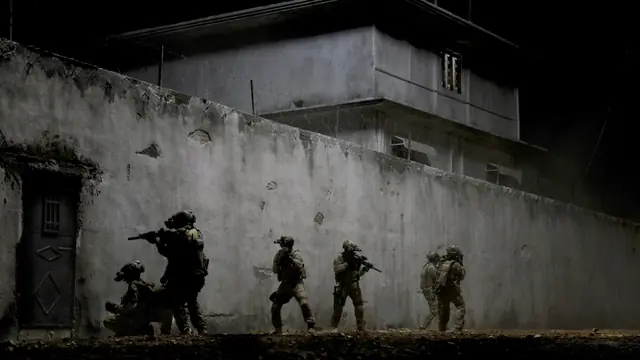
Kathryn Bigelow’s direction is characterized by an unsettling realism that makes audiences feel immersed in the operation. The film’s commitment to authenticity is palpable, with every detail meticulously crafted. This respect for the subject matter is evident throughout, creating a sense of being "there" on the ground with the operatives. The climax, particularly the final 30 minutes depicting the raid on Bin Laden's compound, is a masterclass in tension. It's an incredibly intense and realistic sequence that delivers on the decade-long build-up, leaving audiences on the edge of their seats. The film’s ability to maintain this level of intensity, especially after a long, procedural build-up, speaks volumes about Bigelow's command of the material and the creative freedom afforded to tell this complex story.

The Final Verdict
Zero Dark Thirty is a powerful, meticulously crafted procedural that demands attention. While its deliberate pacing and focus on realism mean it occasionally feels lengthy, these elements are integral to its authenticity. Jessica Chastain's performance is the undeniable anchor, driving the narrative with an intensity that is both captivating and deeply human. It's a film that respects its subject matter, presenting a complex, often uncomfortable truth with unflinching honesty. For those seeking a deeply immersive and realistic portrayal of one of history's most significant intelligence operations, this film is an essential watch, a testament to the painstaking work behind the headlines.
What Worked
- Jessica Chastain delivers a powerhouse, career-defining performance.
- Unflinching, realistic portrayal of intelligence gathering and the decade-long manhunt.
- Masterful handling of controversial interrogation scenes, presenting facts without judgment.
- The final 30 minutes are a masterclass in tension and intensity.
- Exceptional attention to detail and commitment to authenticity.
What Didn't Work
- Pacing can drag at times, particularly during extensive office-based scenes.
- Other supporting characters often feel underdeveloped and expendable.
- The film's length occasionally makes the narrative feel drawn out.